
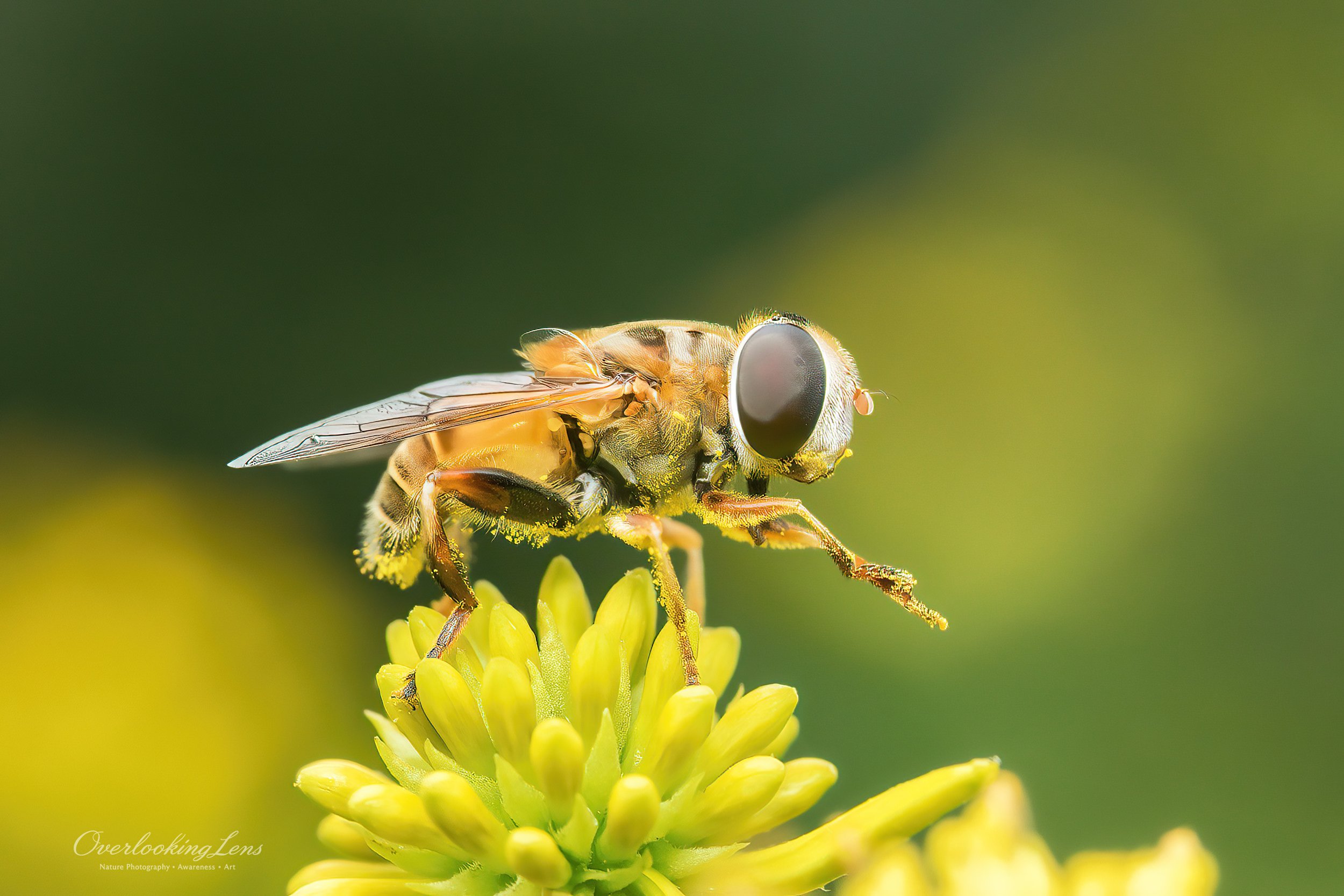
Drone Fly
(Eristalis tenax)
Quick Facts
It can eat pollen.
Has hair in its eyes.
It has been used to study flight dynamics.
Why This Tiny Insect Matters
The Drone Fly is a perfect example of how easily appearances can mislead us. Often mistaken for a bee because of its shape and coloring, it is actually a fly with its own remarkable adaptations. Looking closer reveals a species that is both useful in nature and full of surprising details, including tiny hairs on its eyes.
Meet the Drone Fly
Conservation status: Has not been evaluated
Endemic: No
Habitat: Gardens, meadows, wetlands, urban spaces, and many other habitats across Europe and beyond
Ecological role: Pollinator as an adult; part of nutrient recycling through its larval stage
Lifespan: Lives through egg, larval, pupal, and adult stages
Fun fact: The Drone Fly belongs to the hoverfly group and is often mistaken for a bee, even though it cannot sting.
Explore more
If this image caught your attention, you may also enjoy exploring the wider collection.

Undatierter Fine‑Art Kalender (12 Motive)
Österreich · Tirol & weitere Regionen
Kuratiert aus 12 außergewöhnlichen Makro‑Porträts österreichischer Arthropoden — viele Motive waren Teil meiner Kooperationen mit Alpenzoo Innsbruck, der Universität Innsbruck, dem Innsbruck Nature Film Festival und dem Botanischen Garten Innsbruck.
Format: DIN A3 (45 × 30 cm) · Spiralbindung mit Aufhänger · Mattes Premium‑Fotopapier
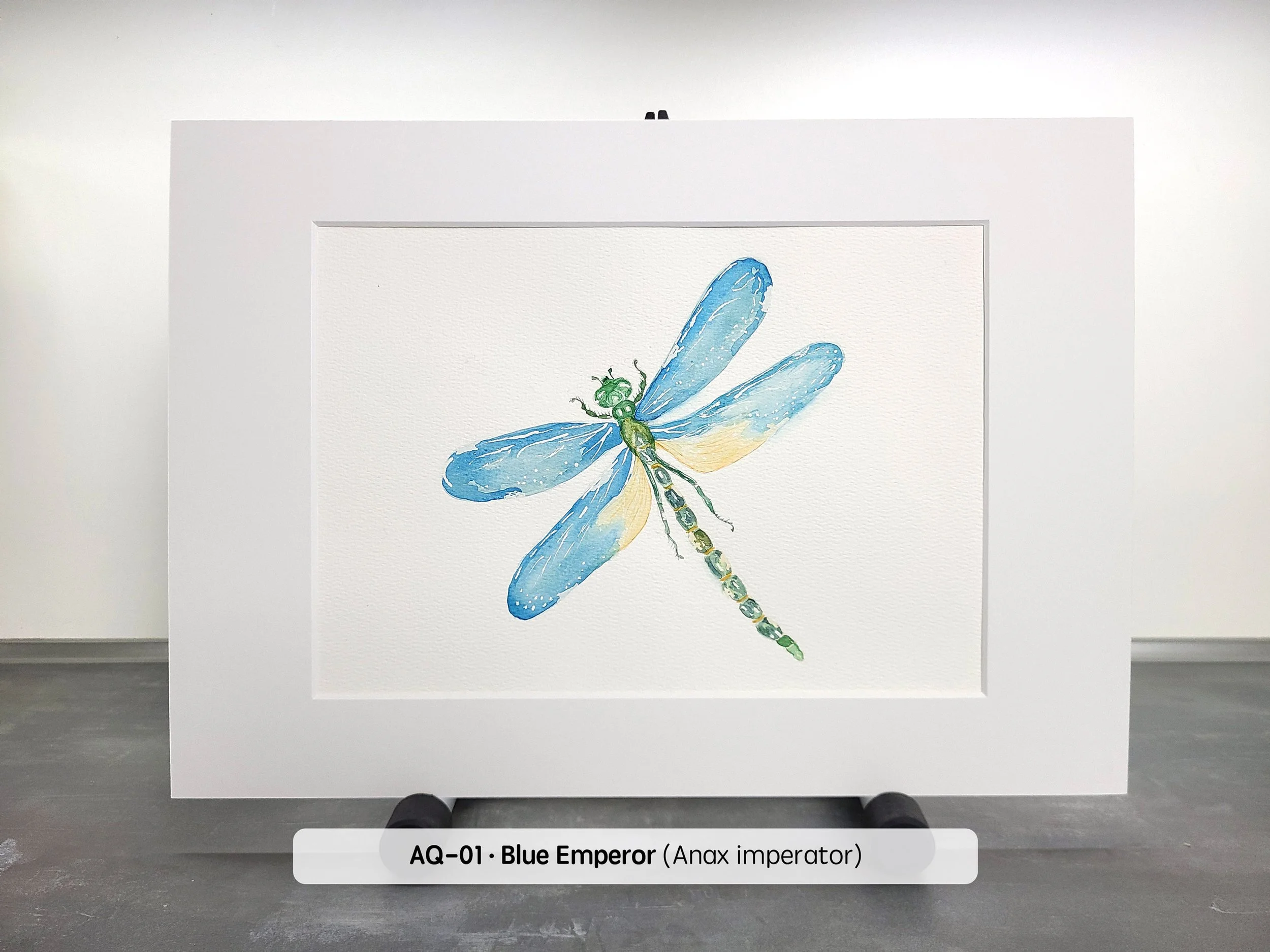
Originale Aquarelle (Unikate, 1 von 1)
Arthropoden aus Österreich und der Welt (inspiriert von Biodiversität & Makrofotografie)
Gastkünstlerin: Blanca Contreras
Jedes Werk ist ein handgemaltes Original — auf hochwertigem Aquarellpapier, im Passepartout, bereit zum Rahmen.
Format (außen): DIN A3 (29,7 × 42 cm) · signiert
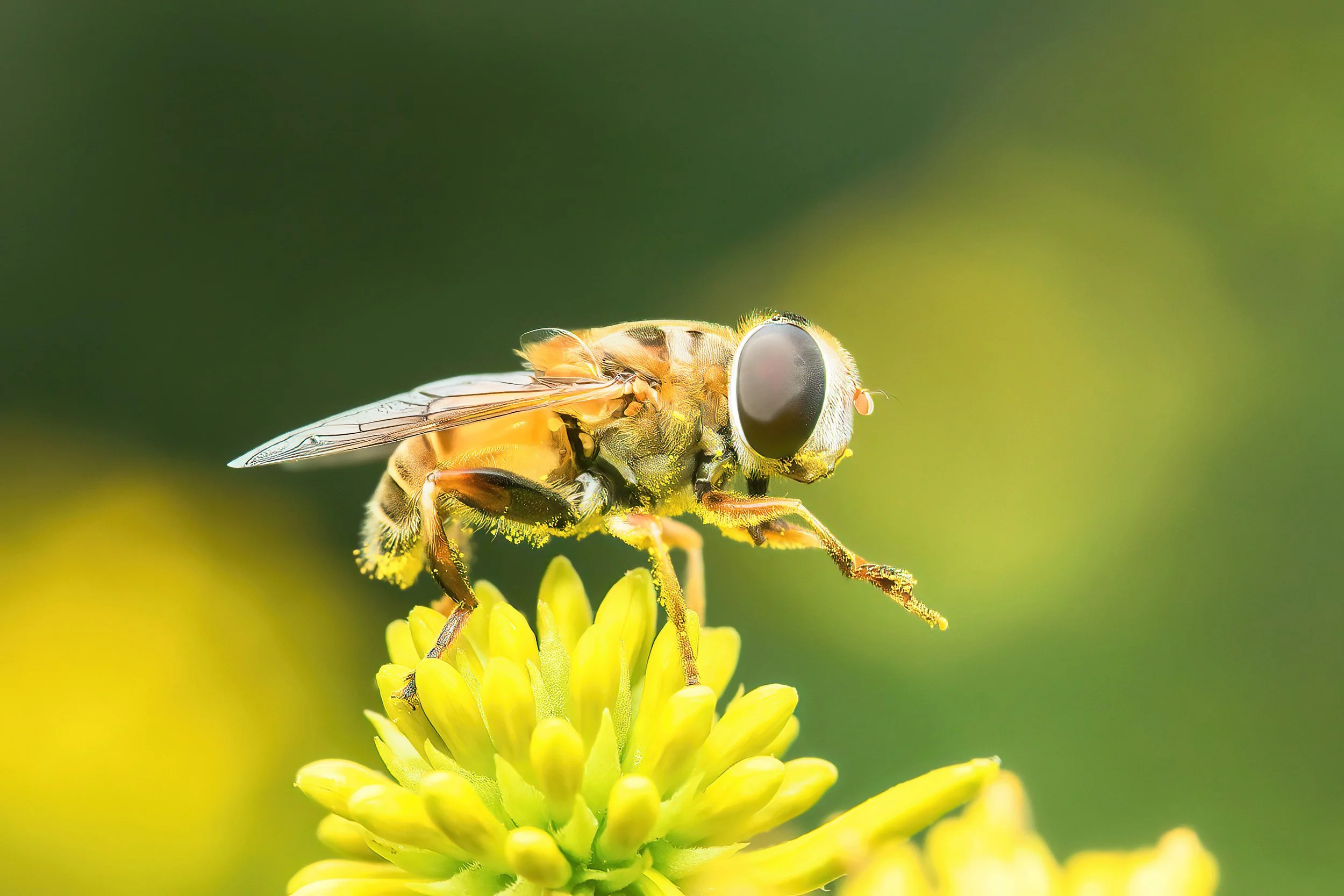
Limitierte Edition (15 Exemplare)
Drohnenfliege
(Eristalis tenax)
Ehrwald, Tirol, Österreich
Mit jedem Kauf: 10% des Verkaufspreises unterstützen Naturschutz & Bildung im Alpenzoo.