
Workshops
I offer calm, image-led workshops that help people slow down, notice overlooked wildlife with intention, and turn observation into meaning.
You can join without a camera (focus: seeing & understanding), or you can learn how to photograph these small worlds (focus: macro photography).
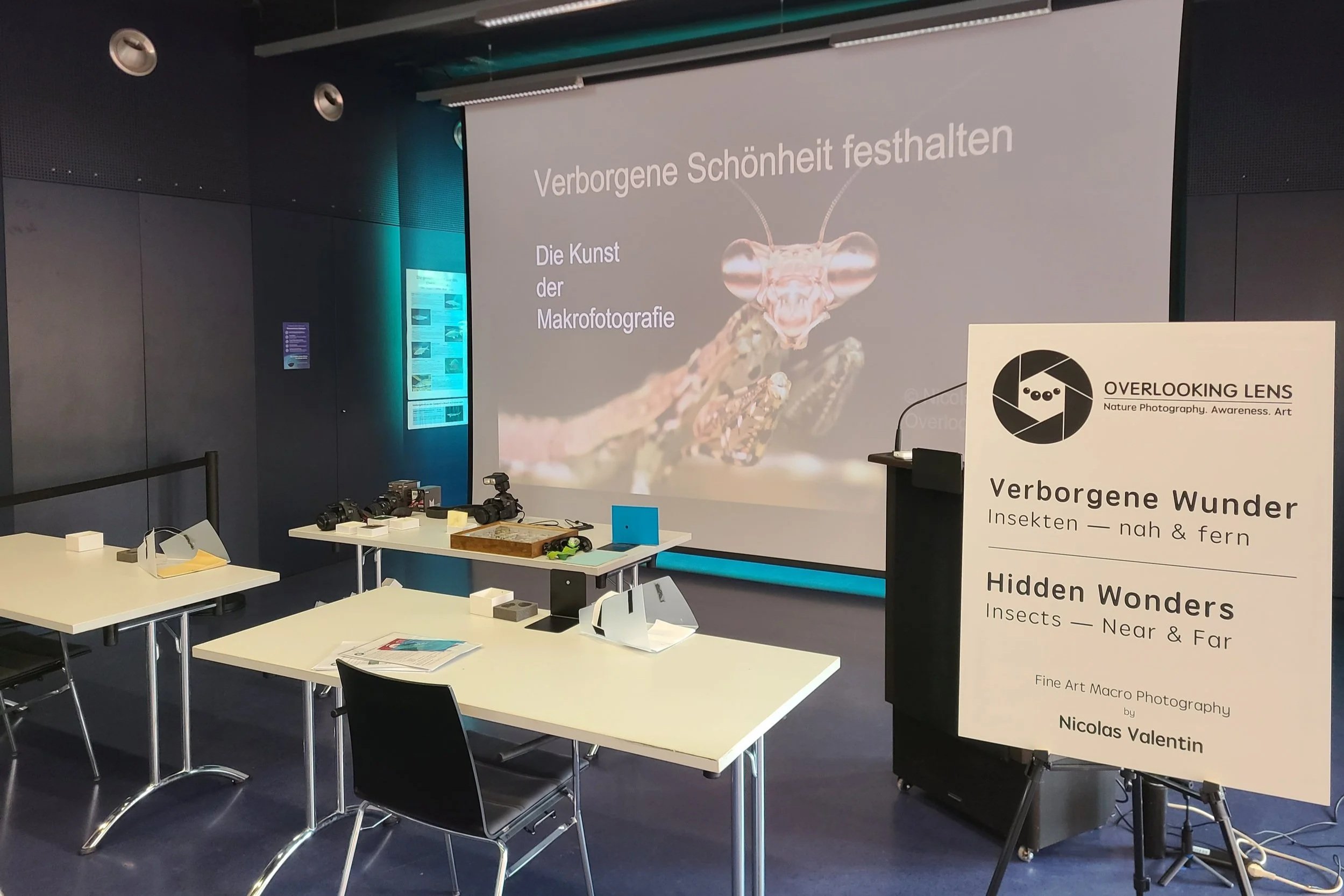
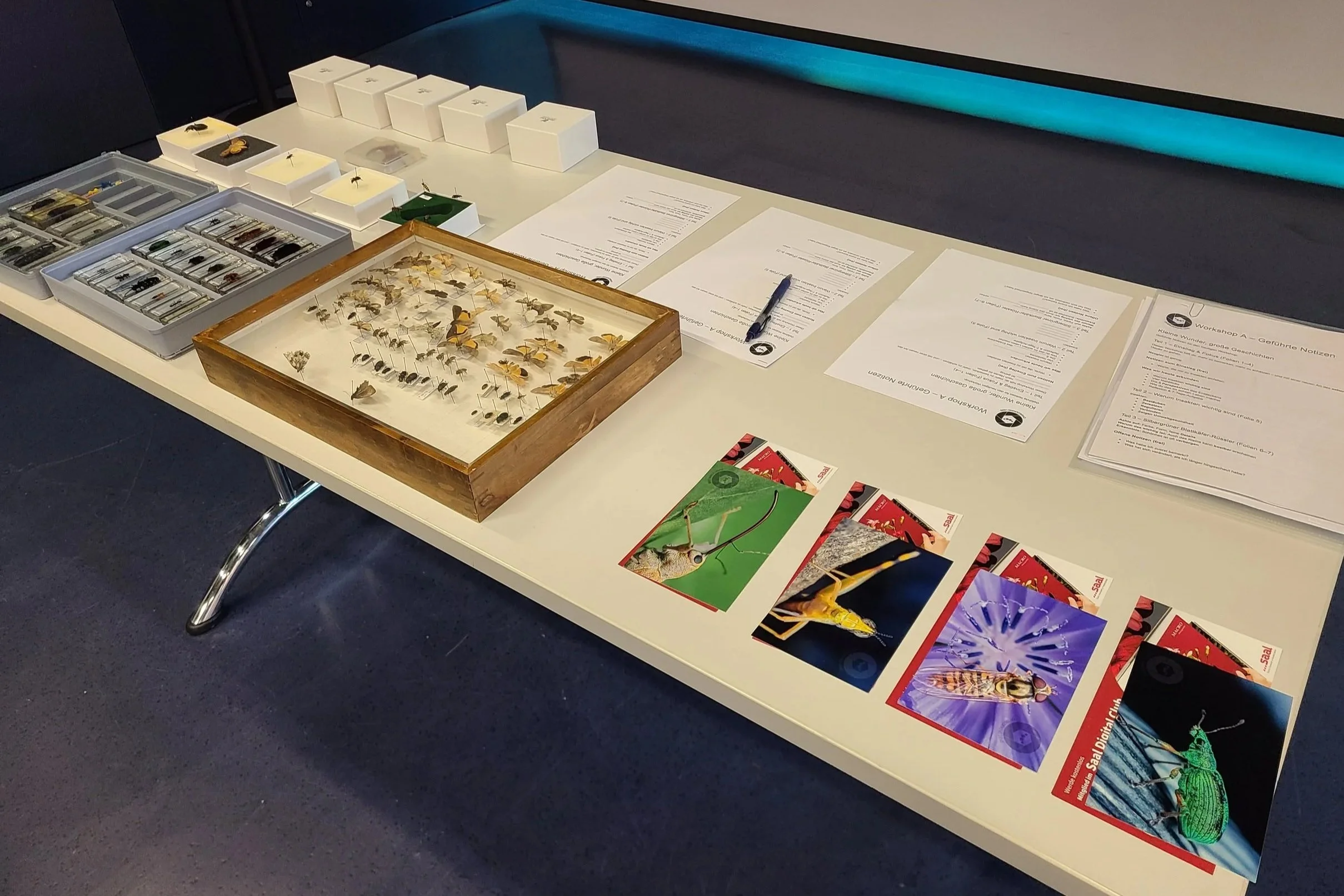
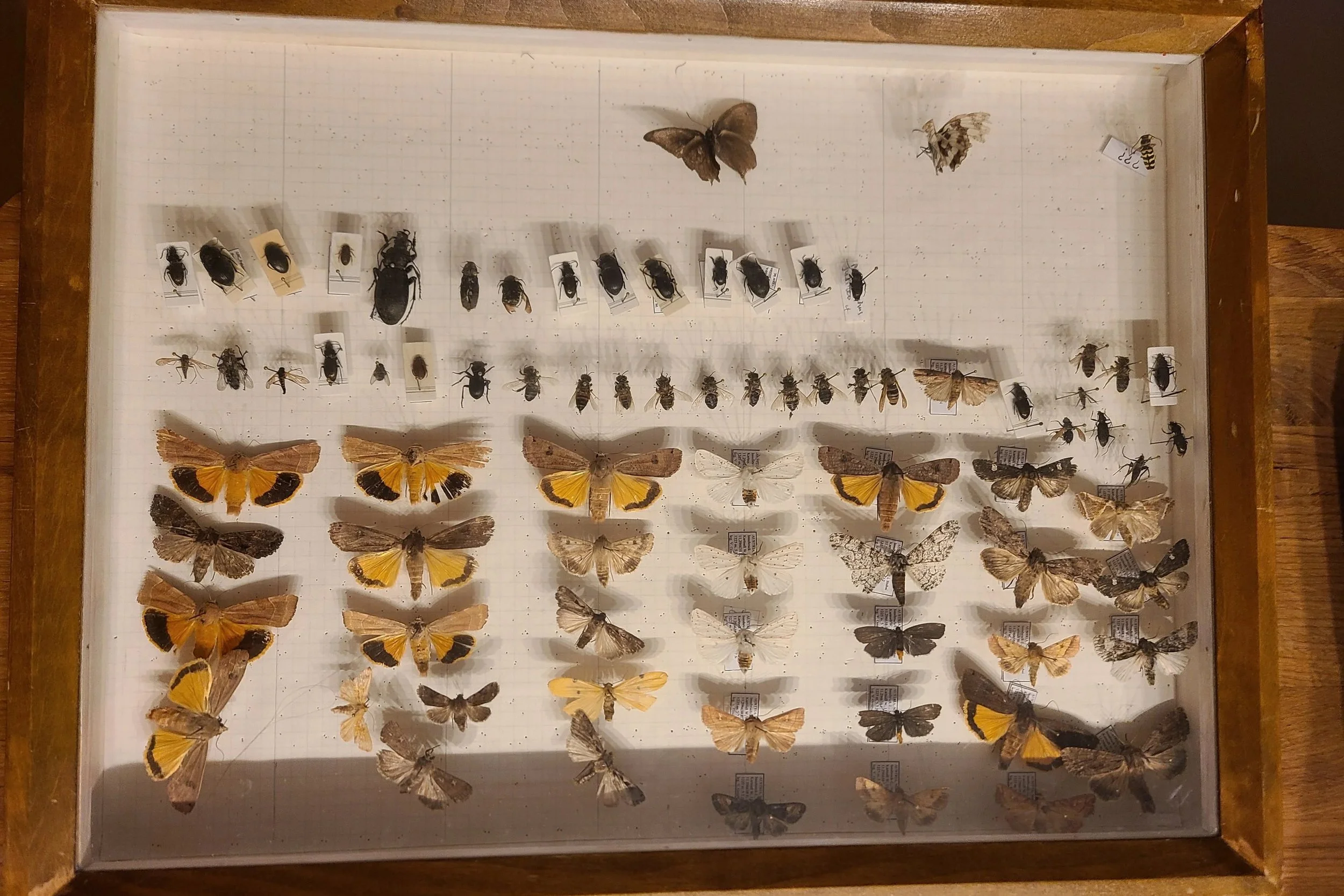
We also work with a small selection of real preserved specimens/examples (for observation and practice) — respectfully, without “showmanship,” simply as a learning aid.
For institutions, I’m also open to collaborations (workshops, short talks, and accompanying formats).

Or email me directly: hello@overlookinglens.com
If you’d like a concrete example of what an exhibition/workshop collaboration can look like in practice, feel free to read this article:

Which workshop is right for you?
Here are the two formats at a glance — you can jump straight to the details.
Quick jump to: Workshop A details — Workshop B details — Format & structure — FAQ — Online workshops — For institutions
Workshop A: Small Wonders, Great Stories
An interactive workshop about insects, attention, and shifting perspective — built around a clear framework you can apply anywhere.
Workshop B: Macro Photography — Workflow + Ethics (hands-on)
The practical, hands-on workshop: a field-ready macro workflow, light, focus, and respectful practice — with guided exercises and real preserved specimens/examples.

About the workshop host
I’m Nicolas Valentin — a macro photographer, educator, and biomedical engineer, and the photographer behind Overlooking Lens. I work at the intersection of fine‑art macro photography and science communication, with a strong focus on ethics and scientific accuracy.
My workshops aren’t “expert lectures.” They’re an invitation to look closer — with attention, respect for small living beings, and tools you can apply right away, whether you’re outdoors in nature or working in a guided practice setup.
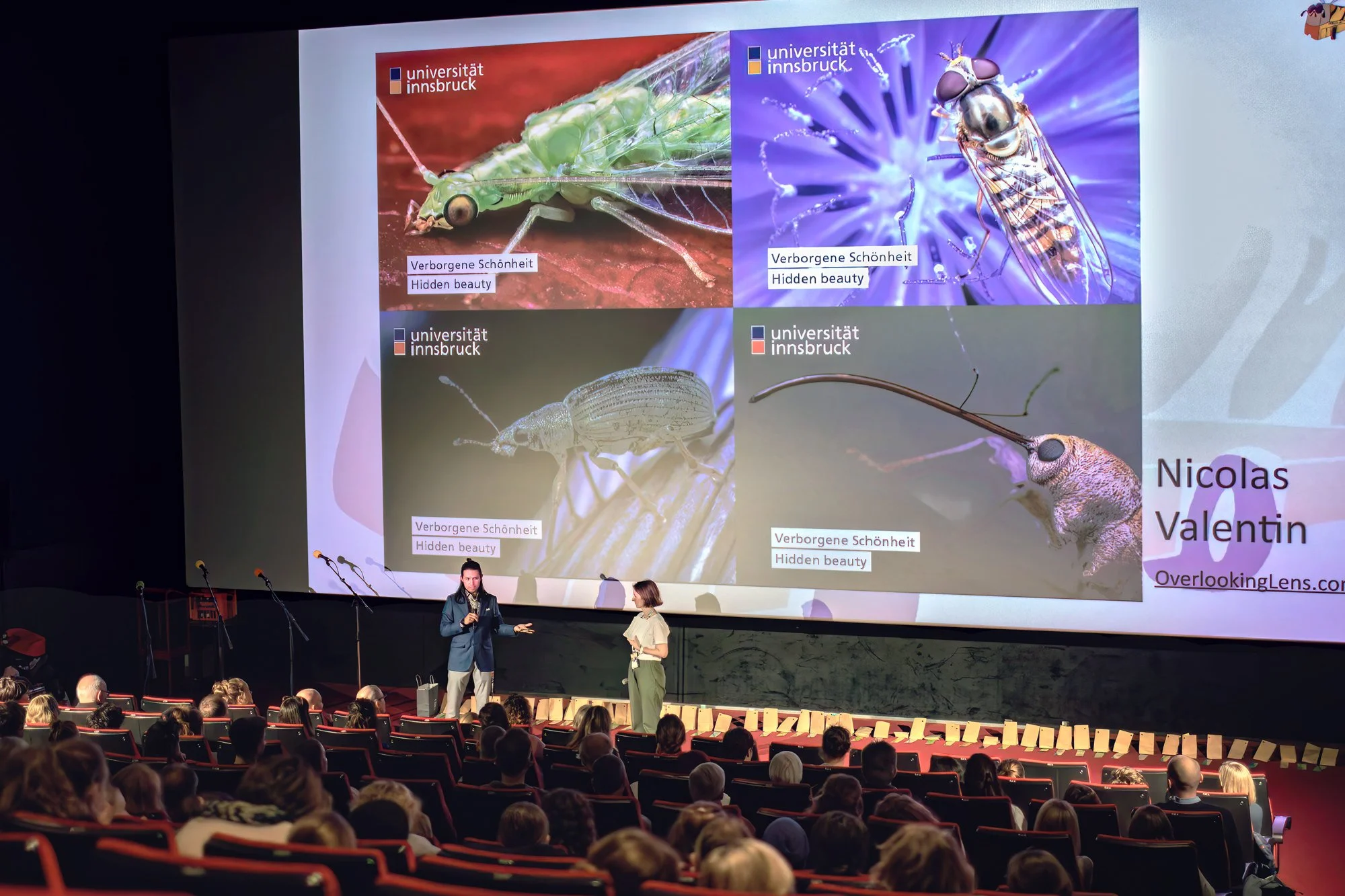
These formats are designed for individuals as well as museums, zoos, schools, and educational programs.
Current and past collaborations
Alpenzoo Innsbruck
Innsbruck Nature Film Festival (INFF)
University of Innsbruck — Institute of Zoology
Innsbruck Botanical Garden
Interested in a workshop or a collaboration?

Workshop A: Small Wonders, Great Stories
This workshop is for anyone who wants to see insects (and other small animals) differently — no prior knowledge, no performance pressure. We use a simple framework that guides you step by step from first noticing to context, connection, and meaning.
What it is
A calm, highly interactive session (questions, mini exercises, guided prompts)
A practical framework you can use anywhere:
The Five Lenses of Discovery: Awareness • Aesthetics • Naturalist • Systems • Wisdom
Short “story capsules” using selected species as memorable examples
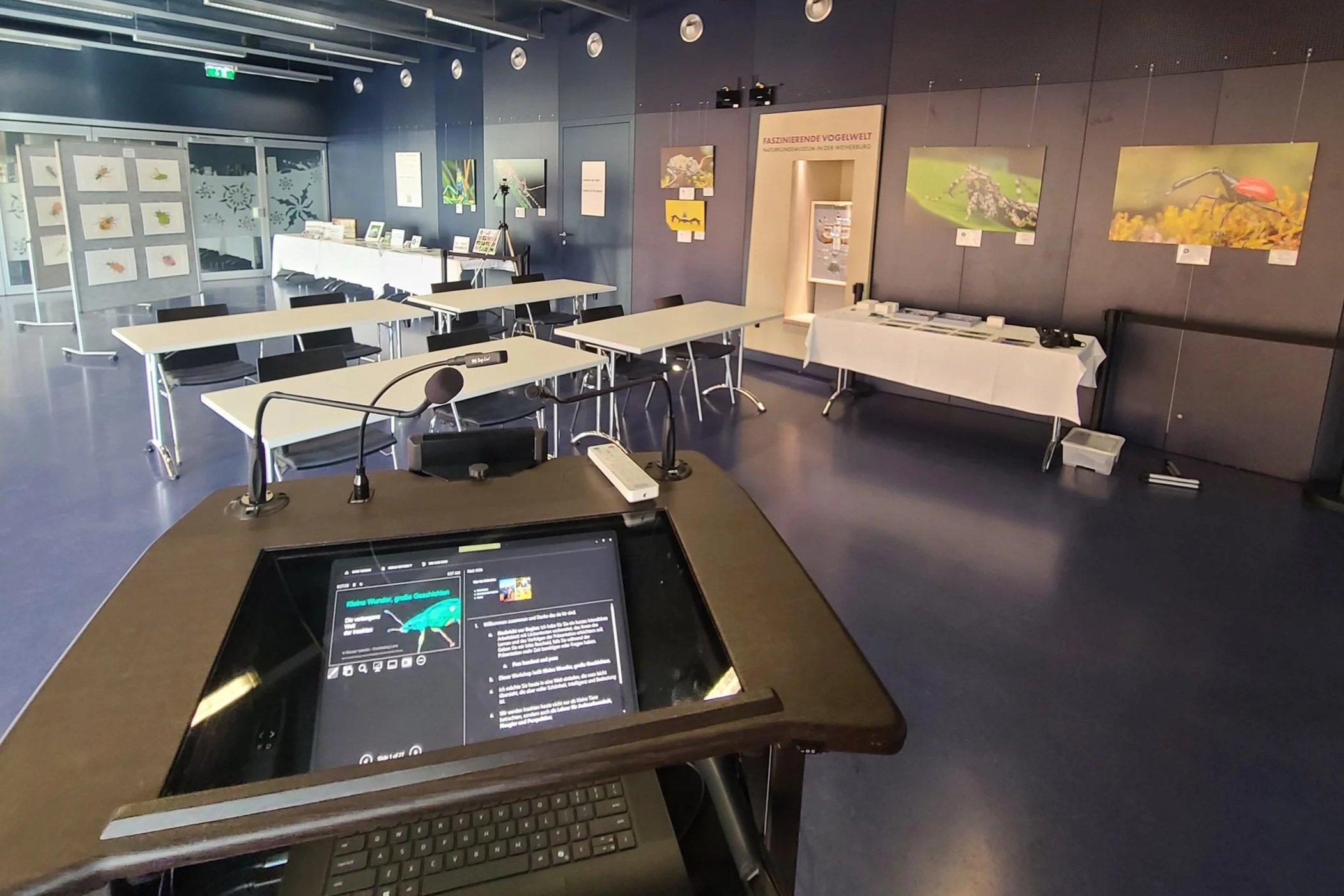
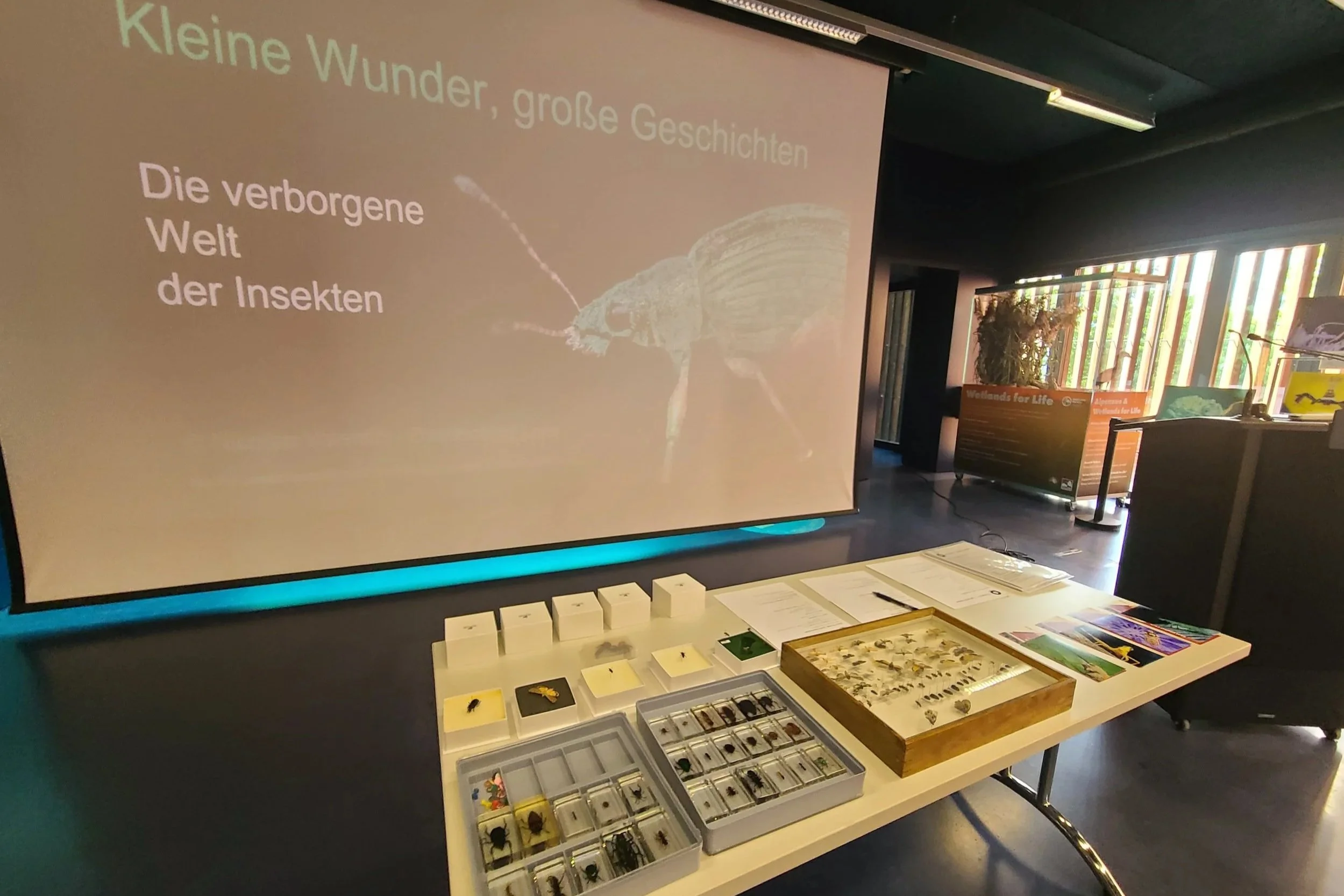
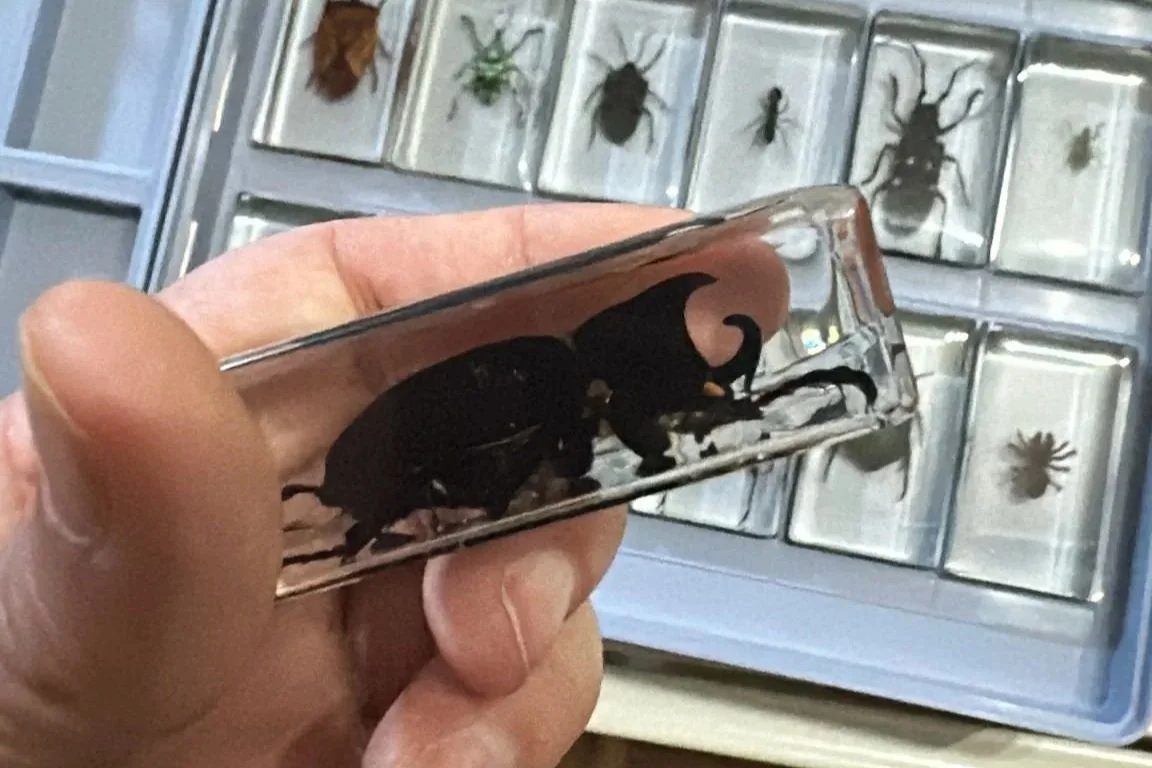
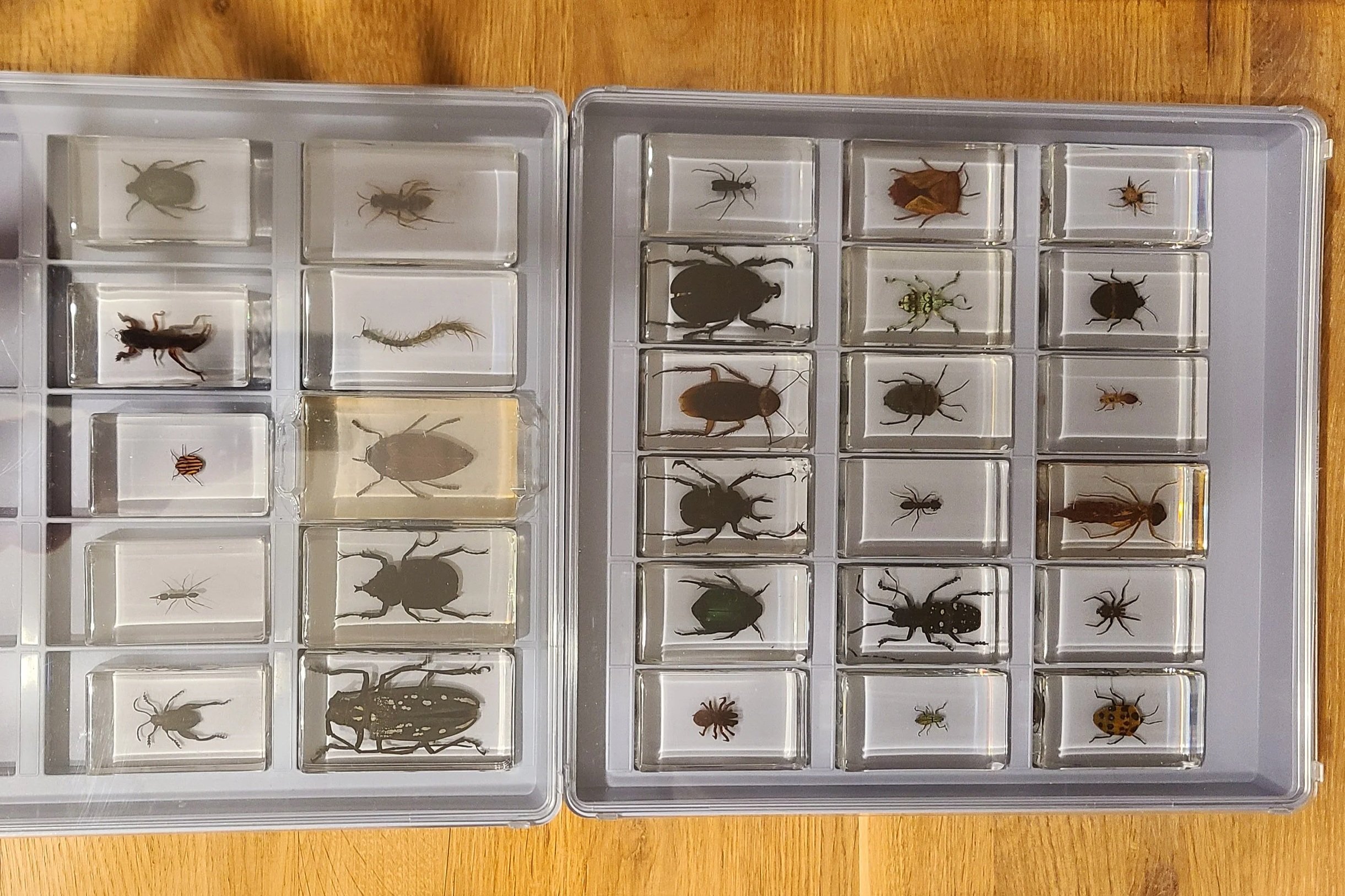
What you’ll take with you
A clear, repeatable way to notice small living beings with intention
Practical micro-actions: what to look for — immediately, on your next walk
A respectful approach to observation (ethics & reading behavior)
More calm, curiosity, and depth — instead of looking away or judging too quickly
Who it’s for
Anyone curious about nature and hidden details
People who feel unsure around insects — and want to build a calmer, more curious relationship
Art lovers who enjoy meaning, story, and visual craft
What you can bring
No camera gear needed
Curiosity and openness
Notebook and pen (optional)
Or email me directly: hello@overlookinglens.com
For institutions: feel free to include your audience, group size, and timeframe — I’ll get back to you with a proposal.

Workshop B: Macro Photography — Workflow + Ethics (hands-on)
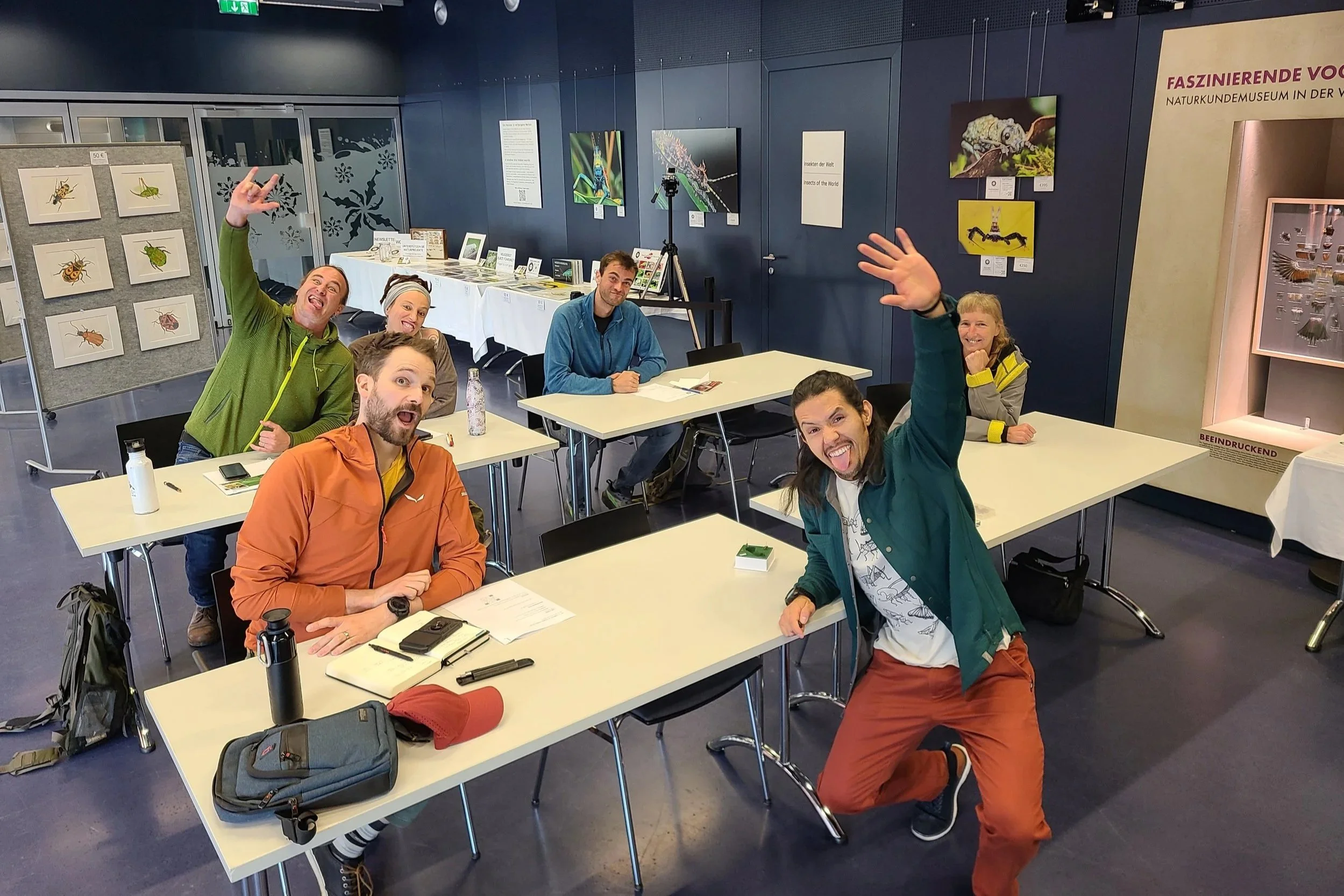
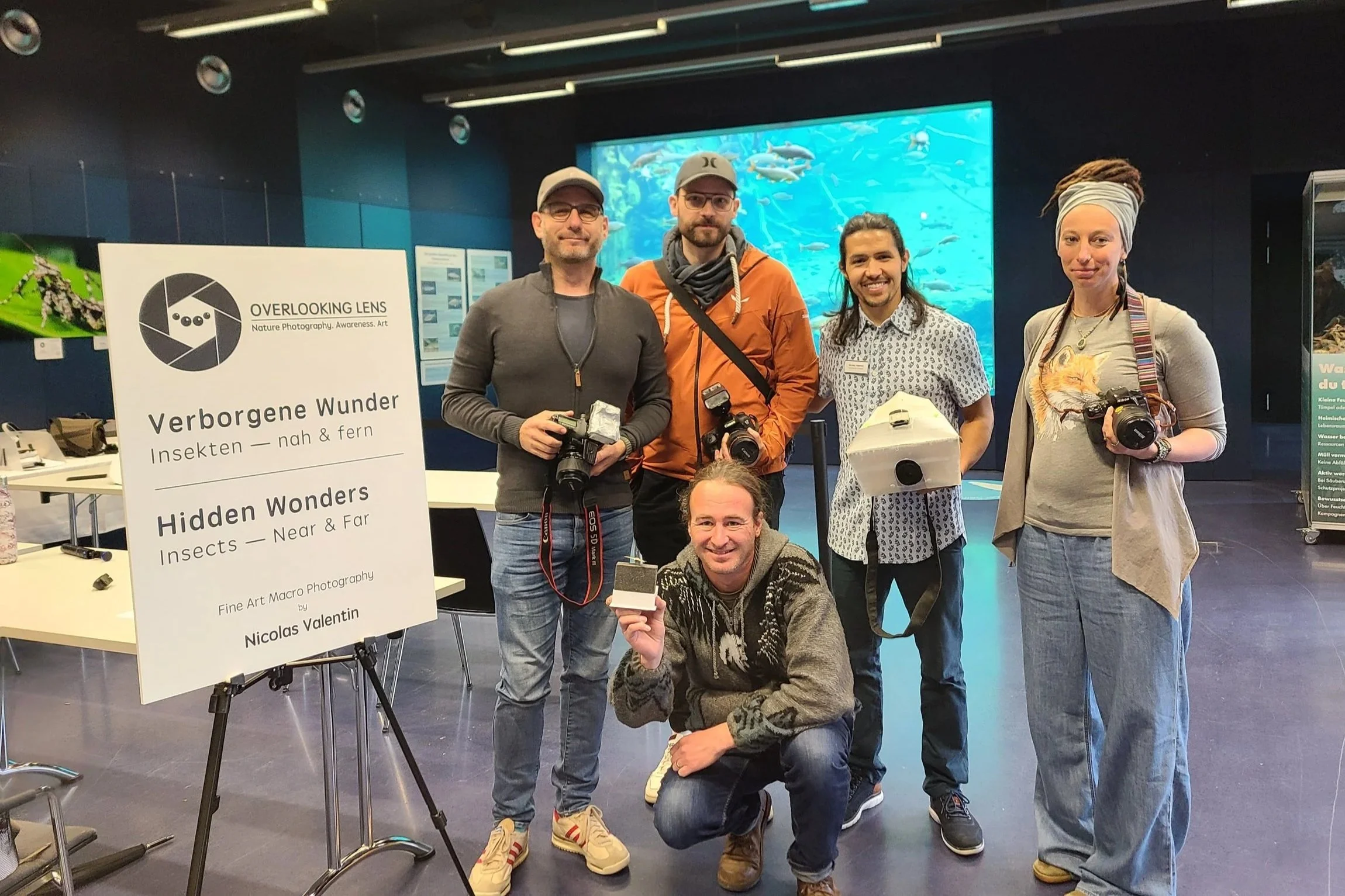
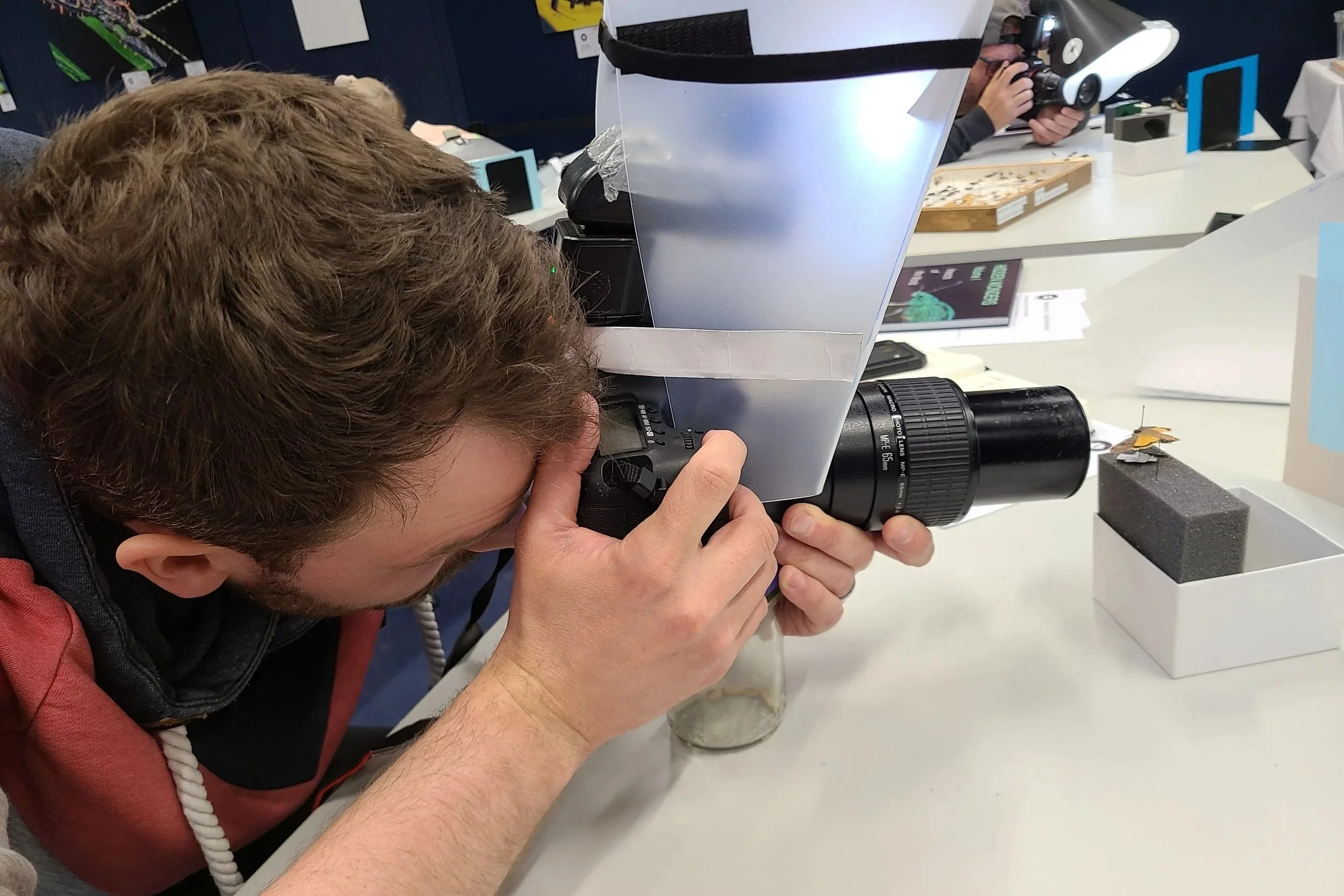
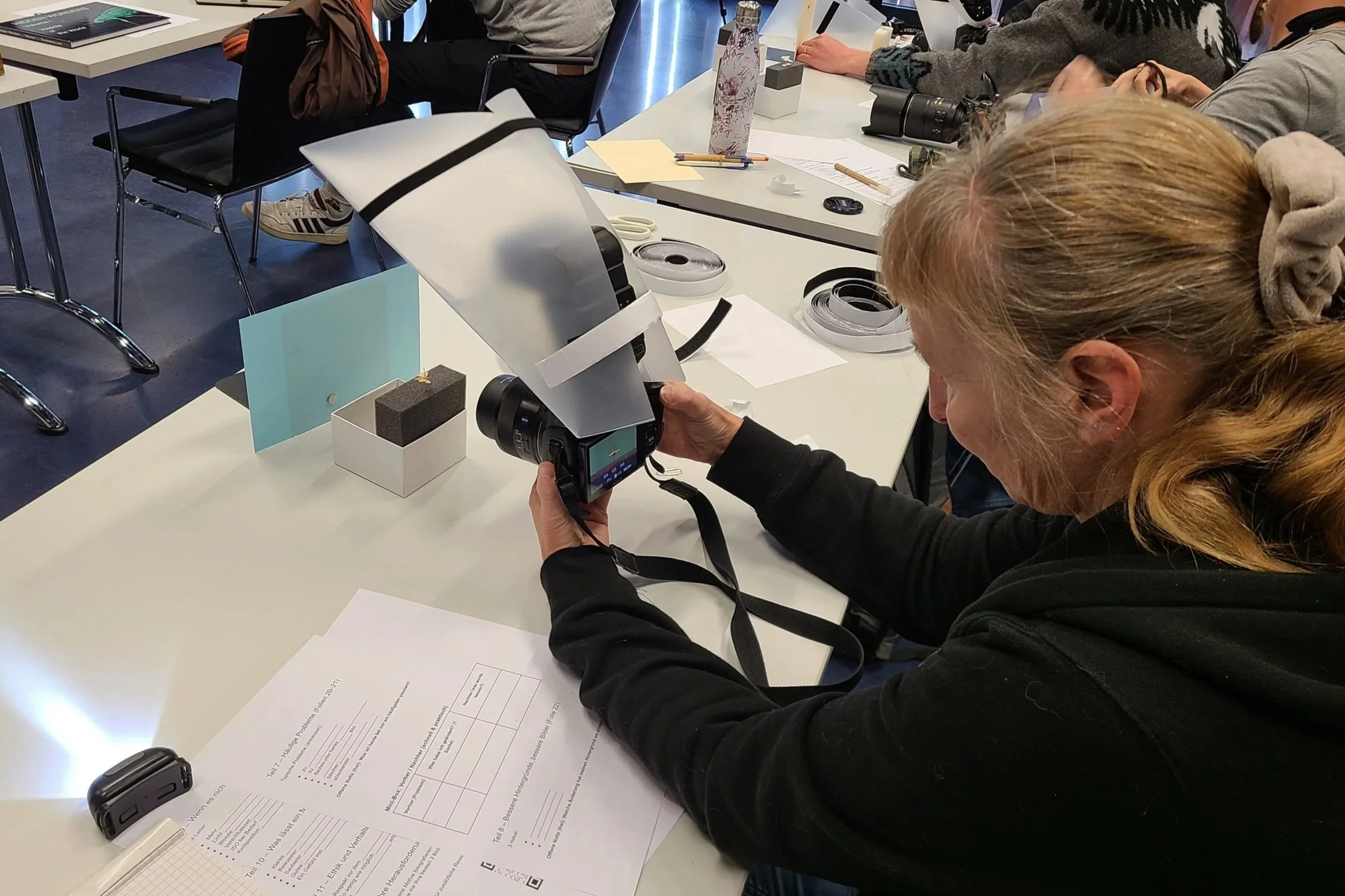
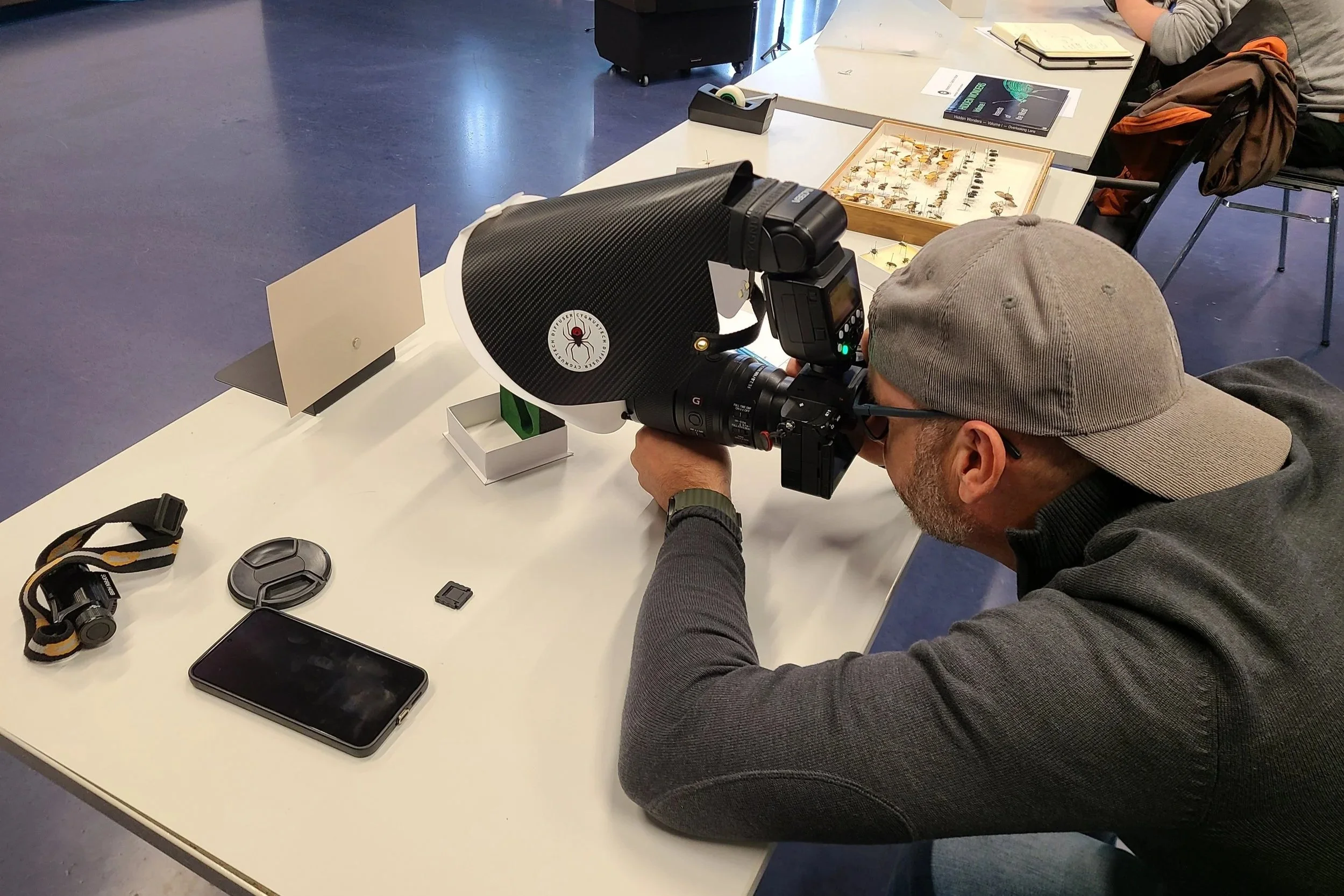
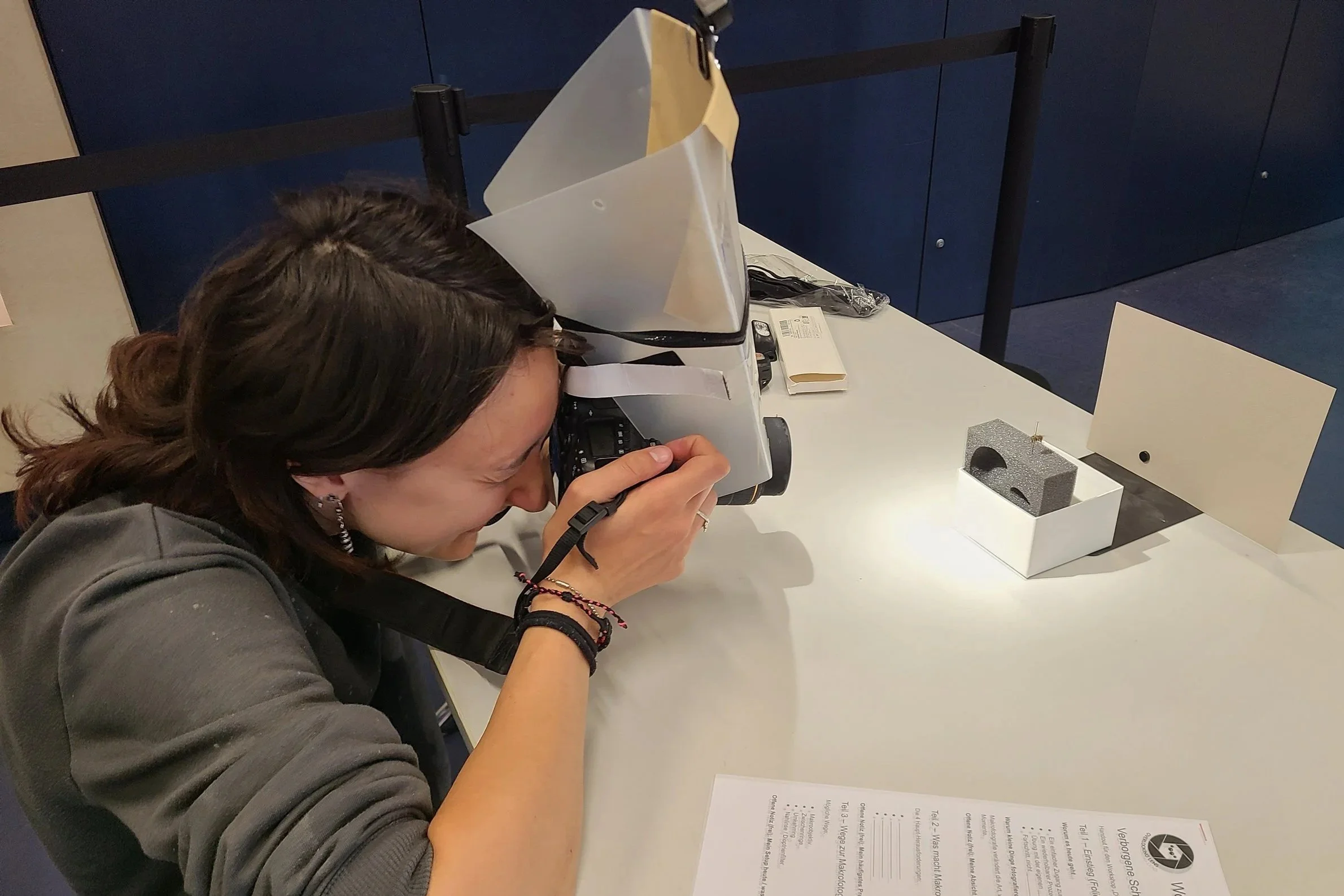
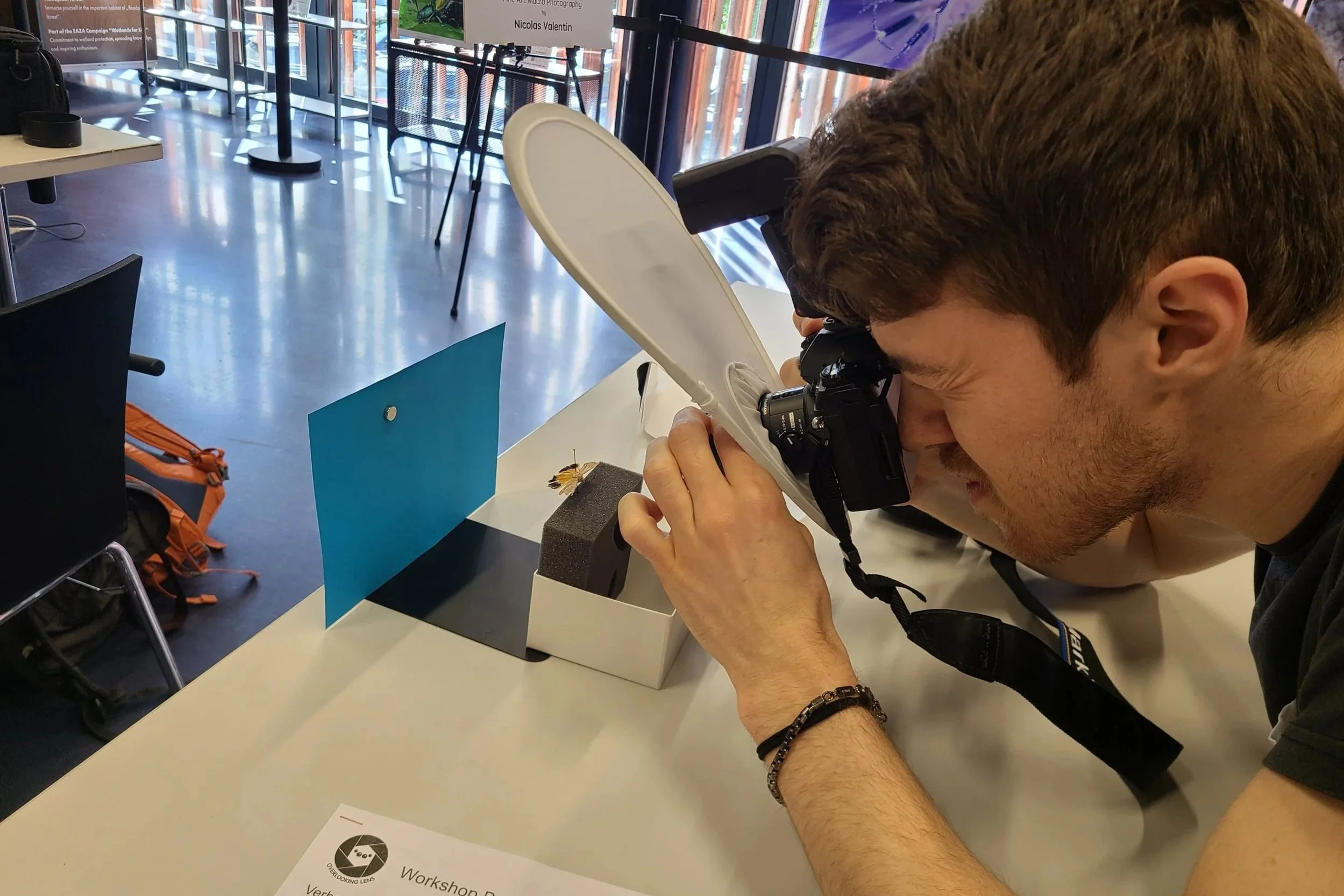
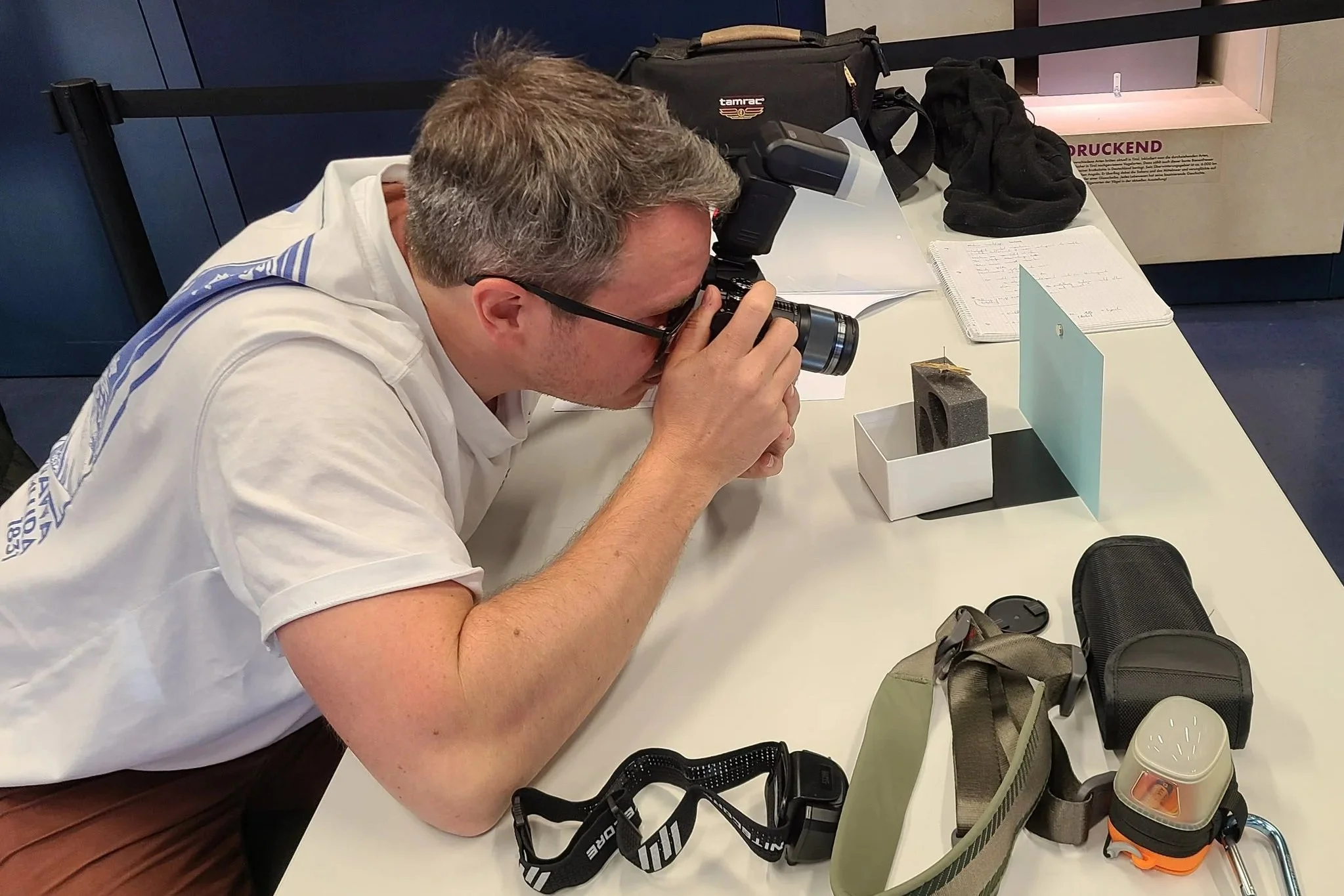
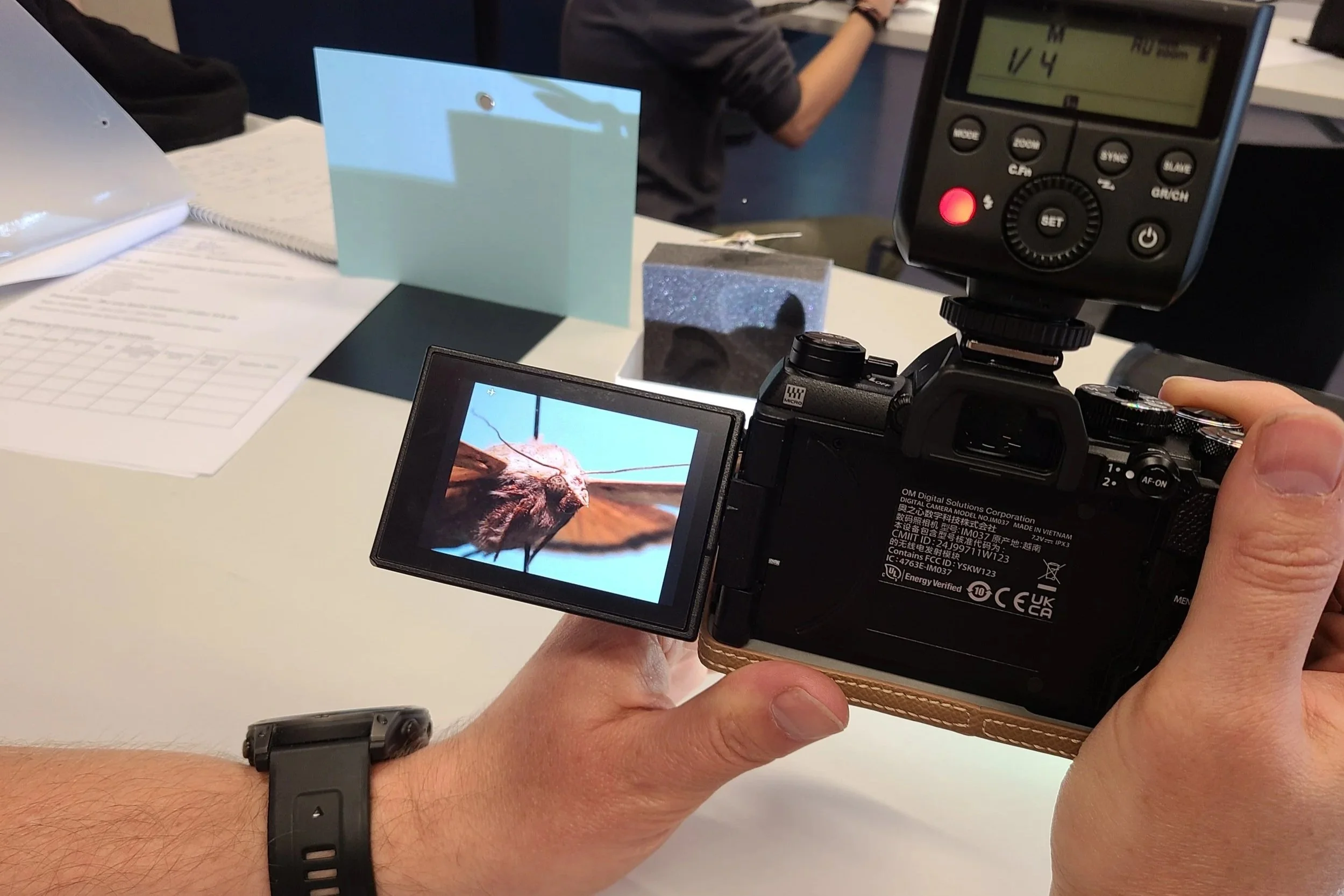
A practical macro workshop for anyone who wants to create better, sharper, and more intentional macro photos — without gear hype and without complicated studio tricks. We work with real preserved specimens/examples as a practice base, so you can observe, test, and repeat in a calm setting.
What it is
A hands-on workshop with a clear structure and guided practice phases
Focus on workflow (how you approach a subject), light, and problem-solving
Ethics first: respectful practice, when not to disturb — and what to do instead
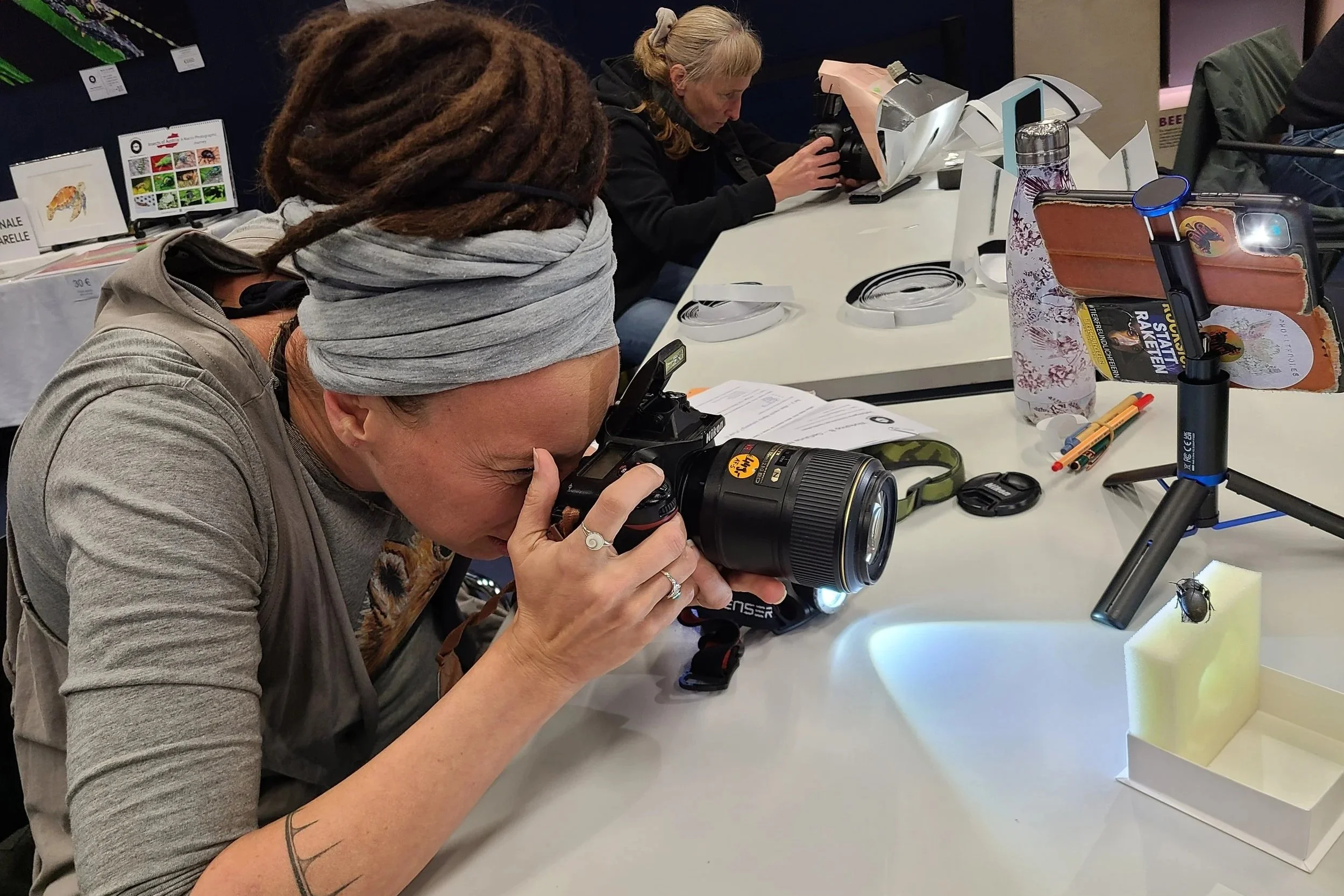
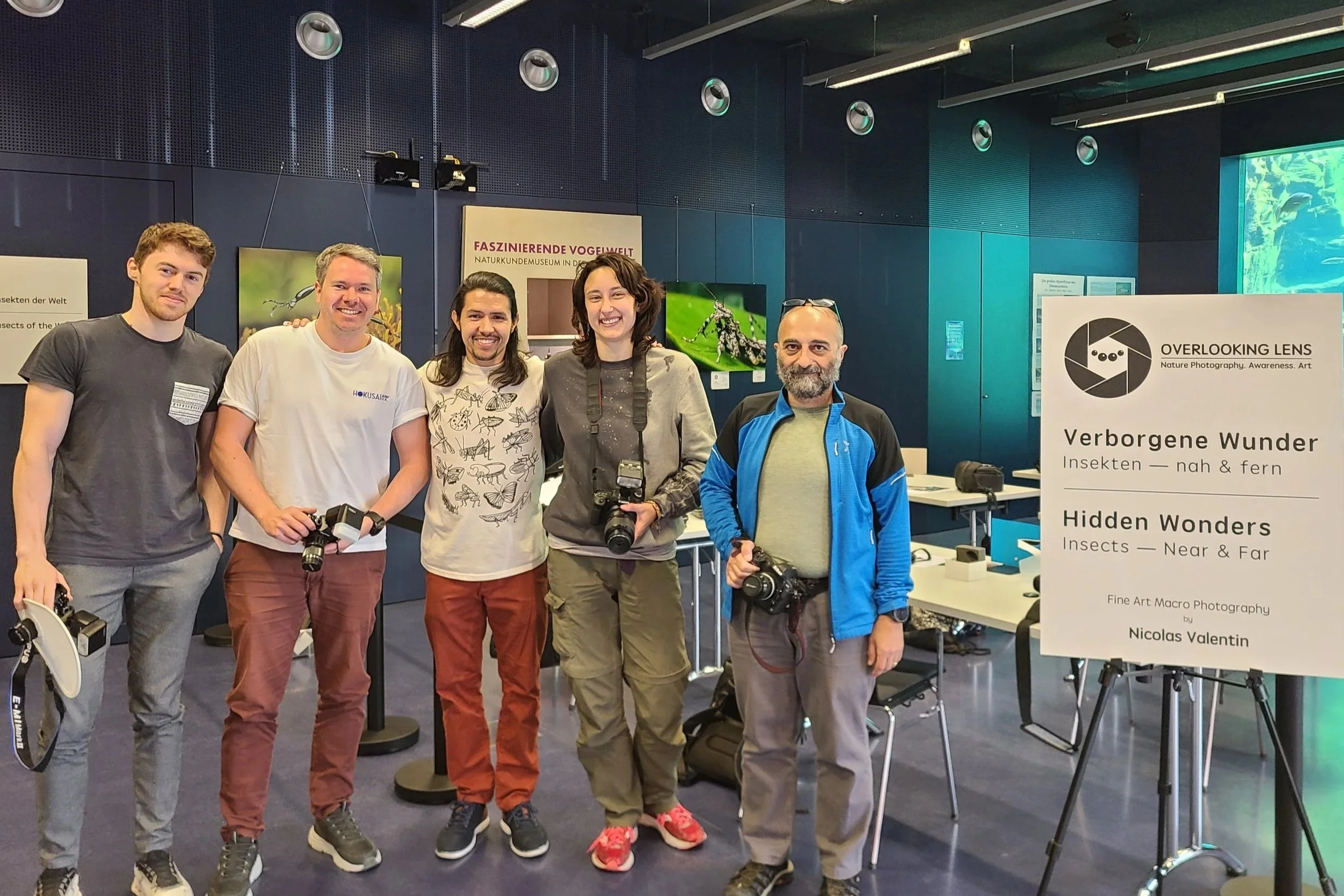
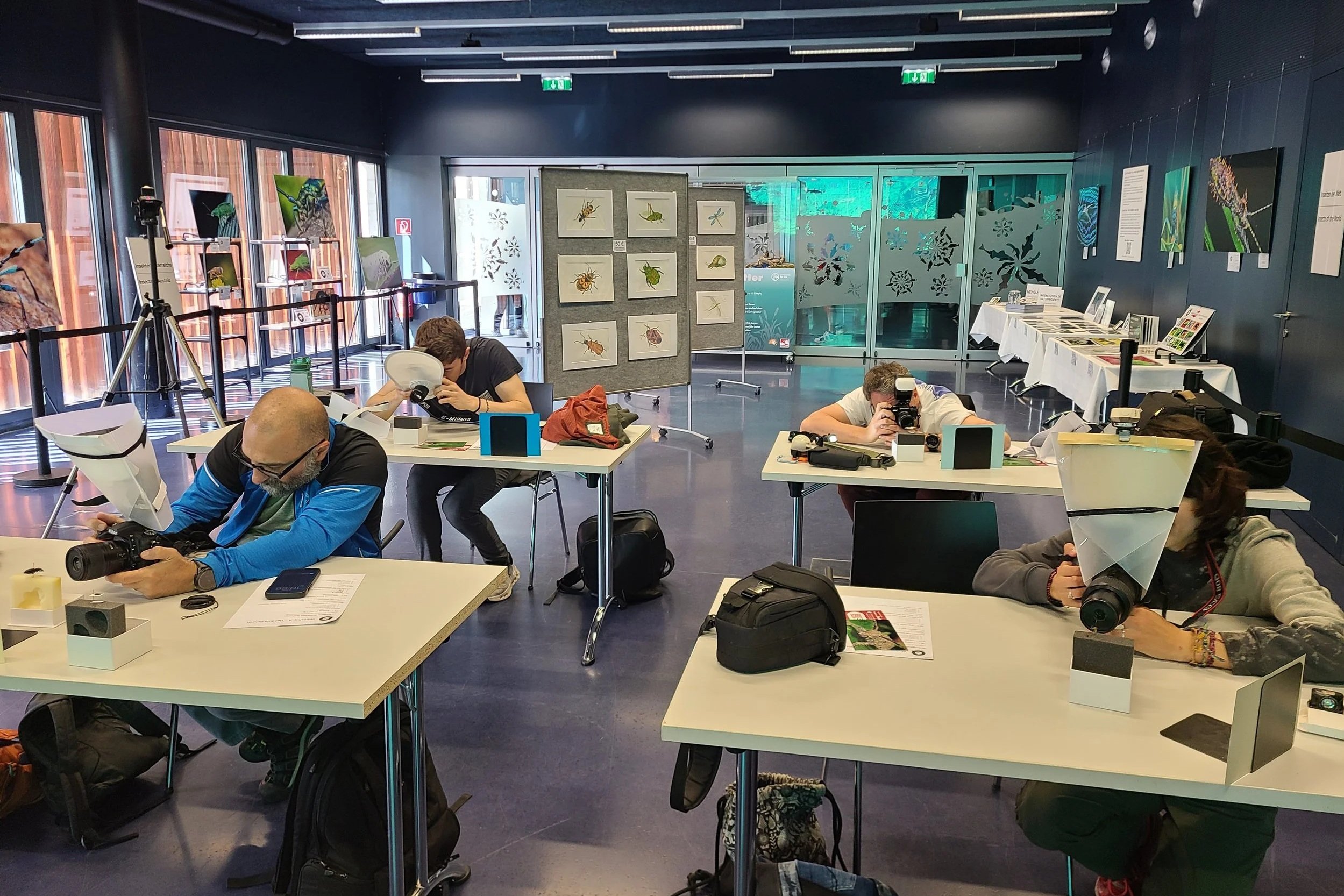
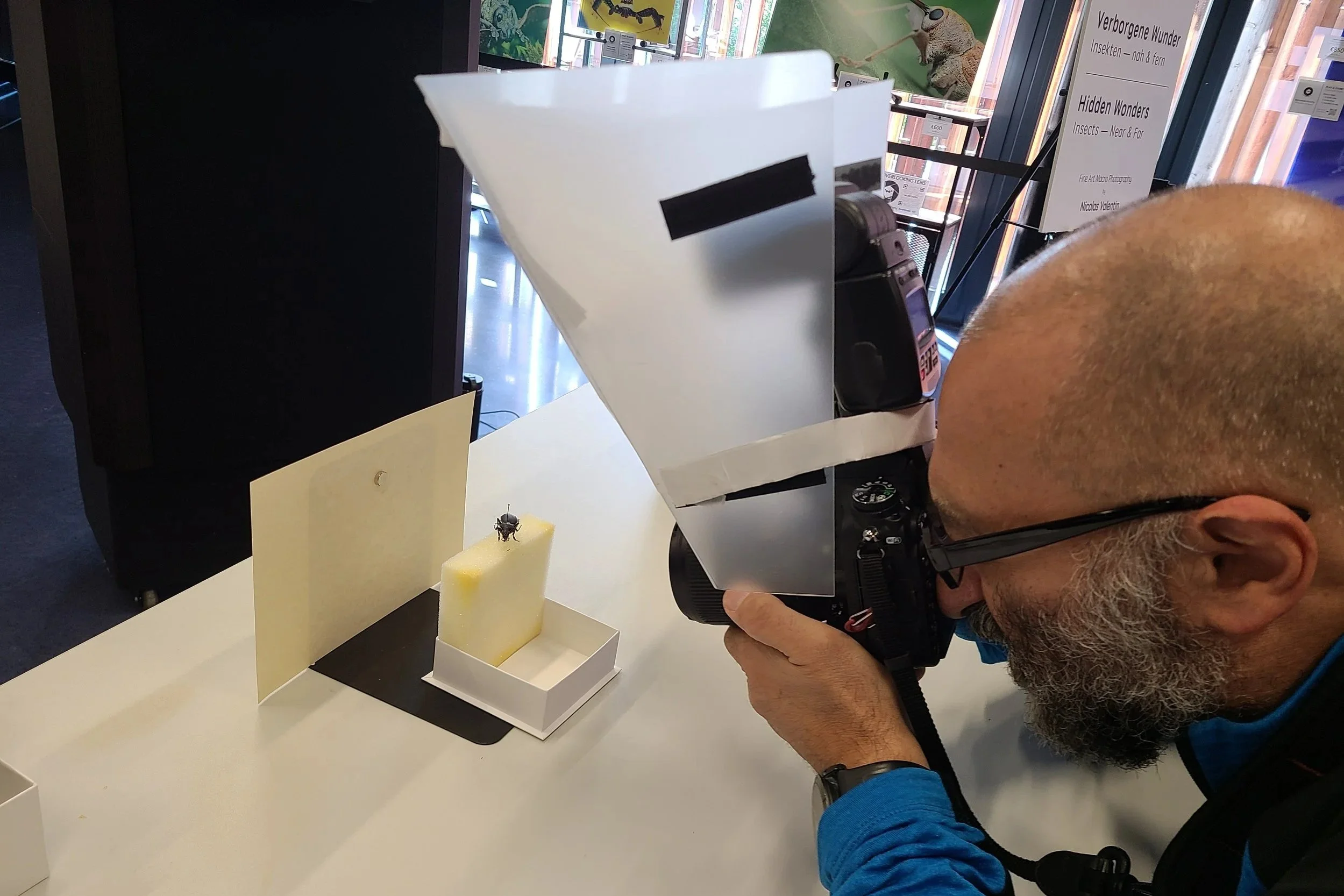
What you’ll learn / be able to do afterwards
Apply a clear macro workflow: Approach → Stabilize → Focus → Light → Shoot → Review
Get sharper images (and understand why they sometimes turn out soft)
Use light more intentionally (including diffusion) for calmer, cleaner results
Solve common problems systematically (instead of guessing)
Who it’s for
Beginners who want a structured start
Hobby photographers who want more consistency and a higher success rate
Nature lovers who want to document their finds respectfully
Advanced photographers who want to simplify their workflow and make troubleshooting clearer
What you can bring (if you have it)
Camera (DSLR/mirrorless) + macro lens (ideal for practice)
Or: any lens you have + curiosity (we’ll still work with the core principles)
Flash + diffuser (if you use one)
Fully charged batteries + empty memory card
A small headlamp (optional)
Or email me directly: hello@overlookinglens.com
For institutions: feel free to include your audience, group size, and timeframe — I’ll get back to you with a proposal.

Format & structure
Organization
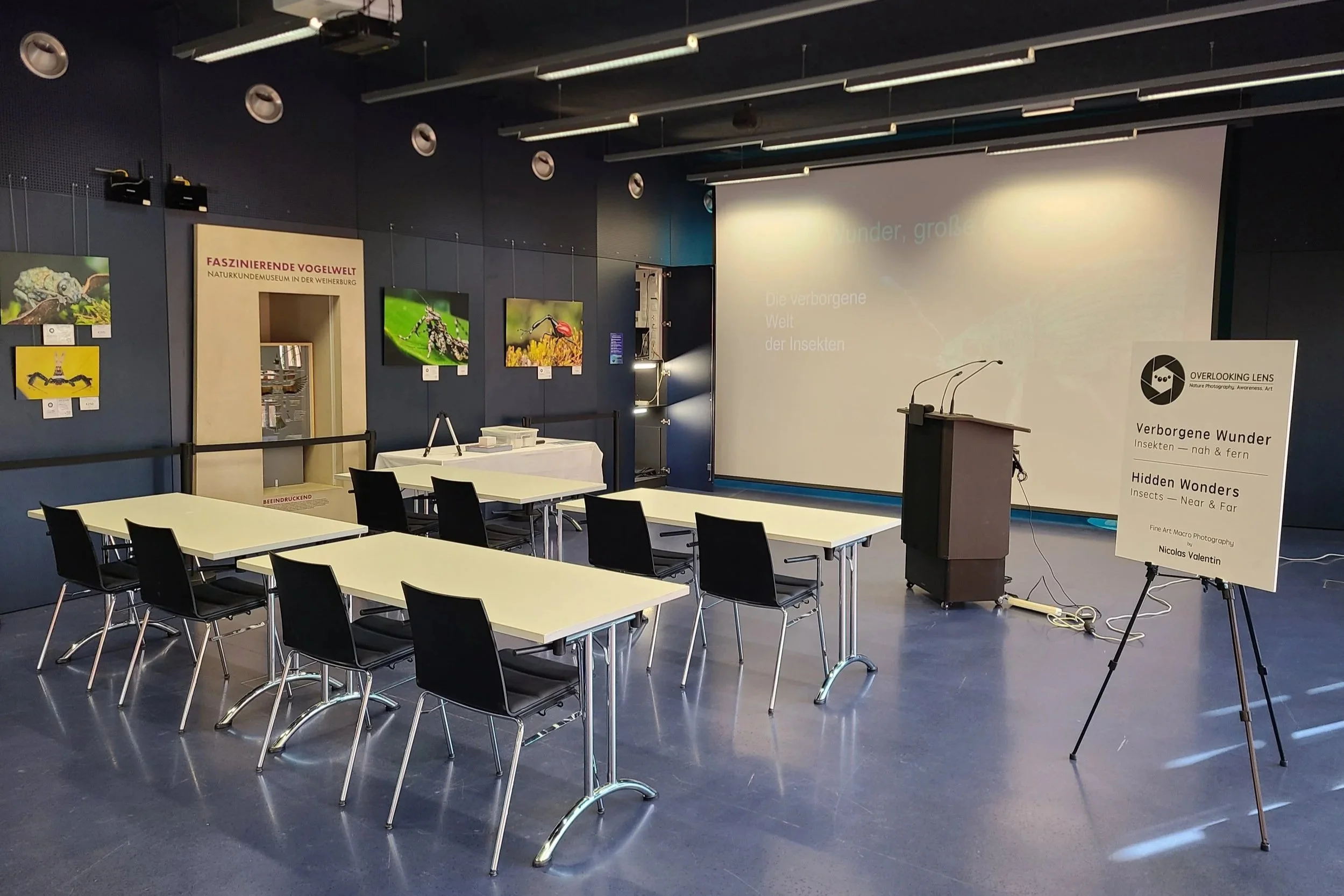
These workshops are designed as calm, interactive indoor formats. Depending on your audience and context, variants are possible — as a short talk, a compact workshop, or a longer practice session — in person on-site, or (in the future) online.
Quick overview
Format: in person (on-site) or online (coming soon)
Participants: ideally small groups for exchange and calm focus (guideline: up to ~12)
Language: German (English possible by arrangement; Italian on request)
Age: depending on the format, suitable from ~16+ (or 14+ with an accompanying adult)
What’s included (materials + extras)
A guided, interactive session with a clear structure and clear takeaways
Printed handouts + optional digital notes/resources to take home
Scientific context and ethics guidance (accessible, without heavy jargon)
Depending on the format: selected preserved specimens/examples as a learning and practice base
FAQ
-
Yes. Both workshops are designed to work well for beginners — curiosity is enough.
-
No. A macro lens helps, but you can learn workflow, light, and technique with your current setup.
-
The workshops take place indoors — weather shouldn’t affect the session.
-
The easiest way is via the form: Register Your Interest
Or by email: hello@overlookinglens.com
Online-Workshops (coming soon)
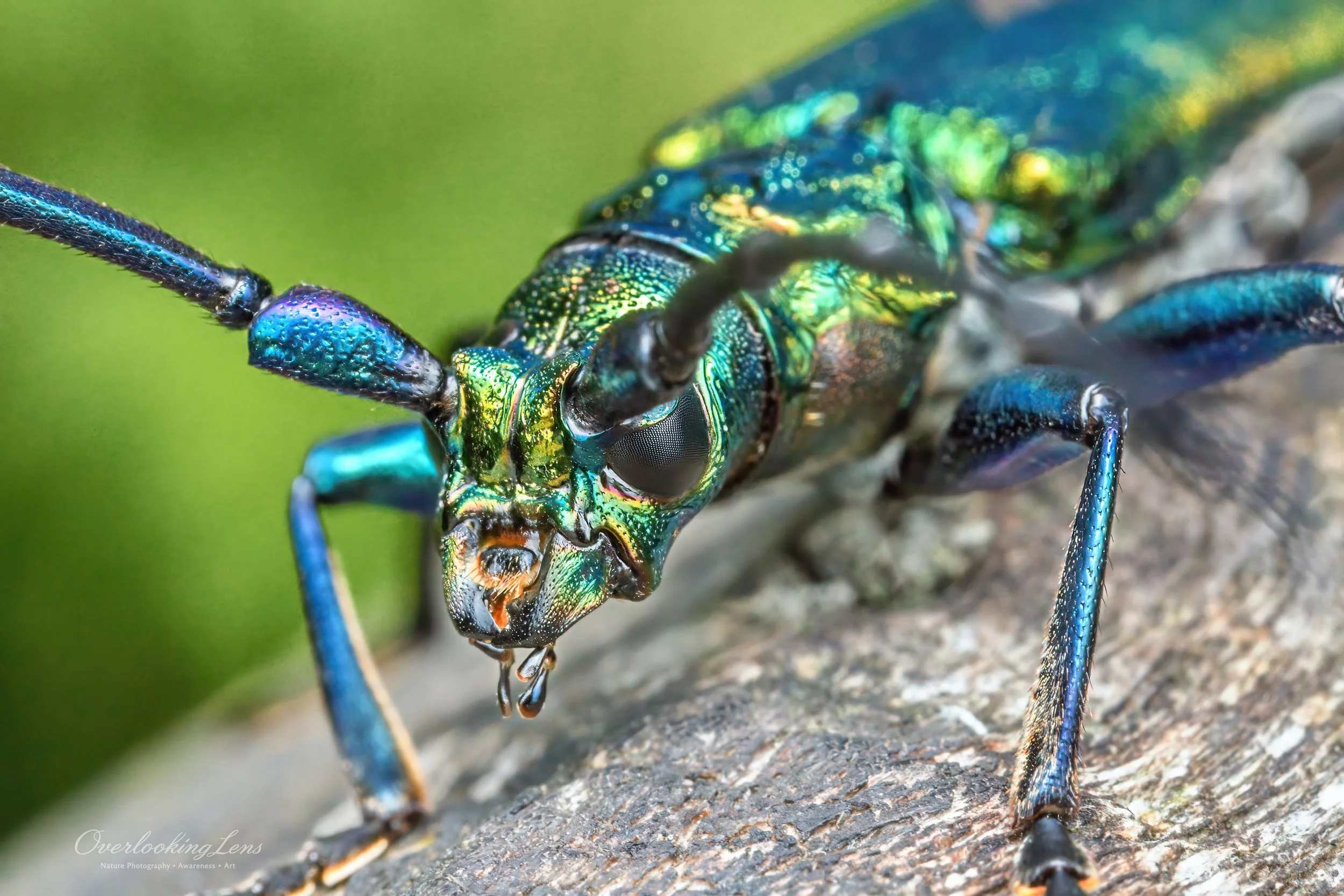
I’m working on online versions of these workshops — calm, high-quality, and genuinely hands-on (not generic “webinar” formats).
If you’re interested, please register your interest. It helps me decide which format to build first.
Or email me directly: hello@overlookinglens.com
No spam — I’ll only reach out when there are concrete dates or content to share.

For zoos, museums, schools & institutions
If you’re looking for an educational format that combines nature observation, visual storytelling, and respectful facilitation, we can develop a workshop or companion format that fits your context (in German, English, or Italian).
Send me your basic parameters (audience, group size, timeframe, location) — and I’ll reply with a concrete proposal.
A good fit for
Zoos and aquariums
Museums and science centers
Universities and research groups
Nature film festivals and cultural events
Schools (older students) and adult education
Typical formats (examples)
Short talk (5–10 min): macro photography & overlooked nature
Compact workshop: learning to see the small world (art + science + perspective)
Practical workshop: macro workflow, light & ethical practice
Exhibition walk-through / conversation: learning to “read” macro portraits
Or email me directly: hello@overlookinglens.com
If you’d like a concrete example of what an exhibition/workshop collaboration can look like in practice, feel free to read this article:
Individual program elements are possible too — I’ll adapt content and depth to your audience.