
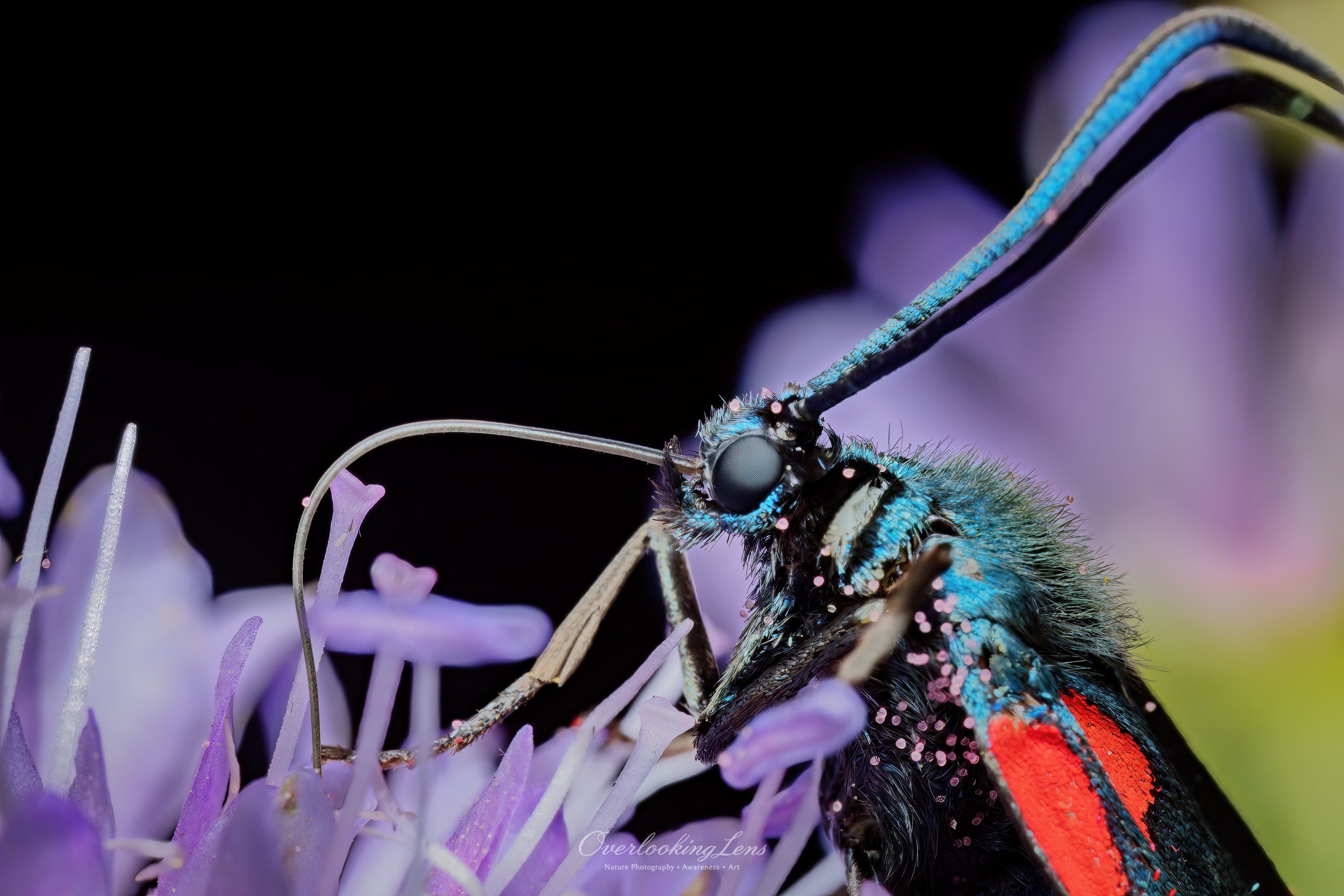
Transalpine Burnet Moth
(Zygaena transalpina)
Quick Facts
It is active in daylight.
It cannot survive underwater.
It releases hydrogen cyanide as a chemical defense.
Why This Tiny Insect Matters
The Transalpine Burnet Moth shows that not all moths belong to the night. Active in daylight and marked with bold warning colors, it stands out as a vivid example of how beauty and defense can work together in nature. It invites us to notice that even familiar landscapes can hold species that feel surprisingly exotic when seen up close.
Meet the Transalpine Burnet Moth
Conservation status: Has not been evaluated
Endemic: No
Habitat: Flower-rich meadows, open grasslands, and sunny alpine or subalpine landscapes in parts of Austria, Germany, and Italy
Ecological role: Pollinator and part of the local food web
Lifespan: Lives through egg, larval, pupal, and adult stages
Fun fact: Like other burnet moths, it uses chemical compounds as a defense, which helps warn predators that it may be unpalatable.
Explore more
If this image caught your attention, you may also enjoy exploring the wider collection.

Undatierter Fine‑Art Kalender (12 Motive)
Österreich · Tirol & weitere Regionen
Kuratiert aus 12 außergewöhnlichen Makro‑Porträts österreichischer Arthropoden — viele Motive waren Teil meiner Kooperationen mit Alpenzoo Innsbruck, der Universität Innsbruck, dem Innsbruck Nature Film Festival und dem Botanischen Garten Innsbruck.
Format: DIN A3 (45 × 30 cm) · Spiralbindung mit Aufhänger · Mattes Premium‑Fotopapier
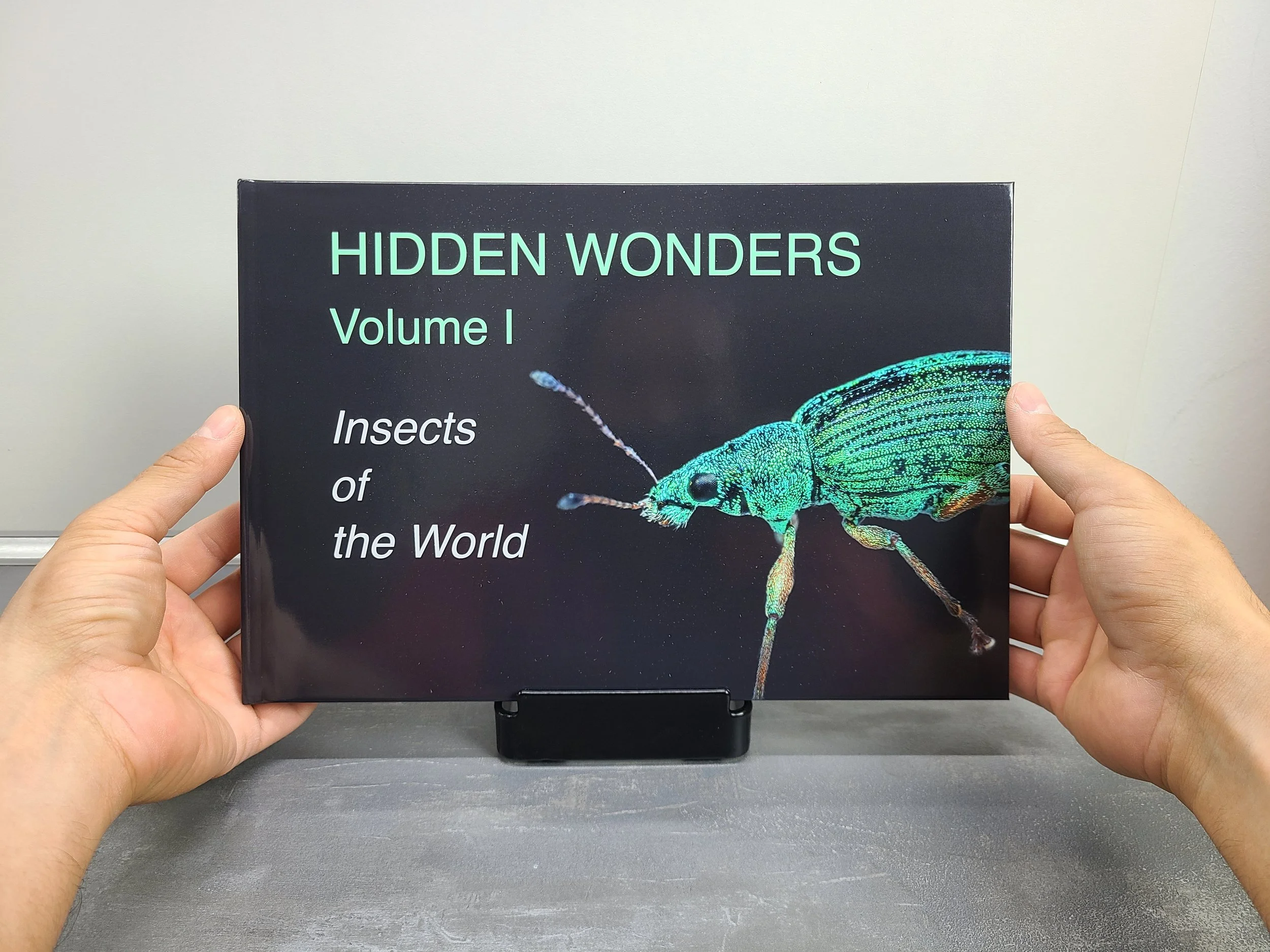
Arthropoden aus Österreich & der Welt (kuratierte Auswahl)
Enthält Motive aus der Ausstellung im Alpenzoo Innsbruck – plus weitere Arten, die nicht Teil der Ausstellung sind.
Fotobuch (Premium, mattes Fotopapier)
Format: 28 × 19 cm · 38 Seiten
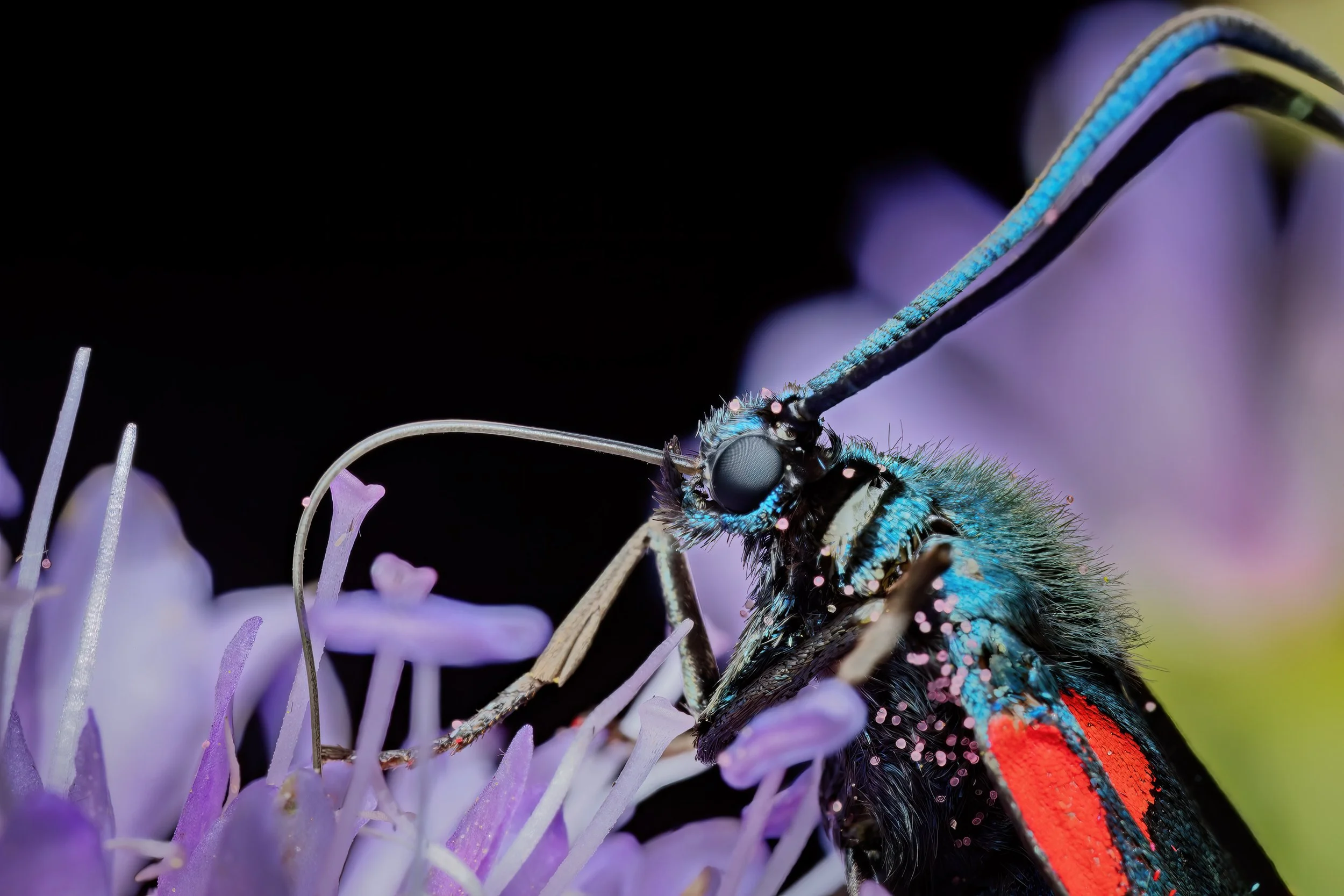
Limitierte Edition (15 Exemplare)
Transalpen‑Widderchen
(Zygaena transalpina)
Reutte, Tirol, Österreich
Mit jedem Kauf: 10% des Verkaufspreises unterstützen Naturschutz & Bildung im Alpenzoo.